




Projects Completed
Happy Clients
Delivery Rate
Communication
Apps Downloads
Years of Growth
 By
Developer Bazaar Technologies
By
Developer Bazaar Technologies

Have you ever wondered how big AI has become in real estate?
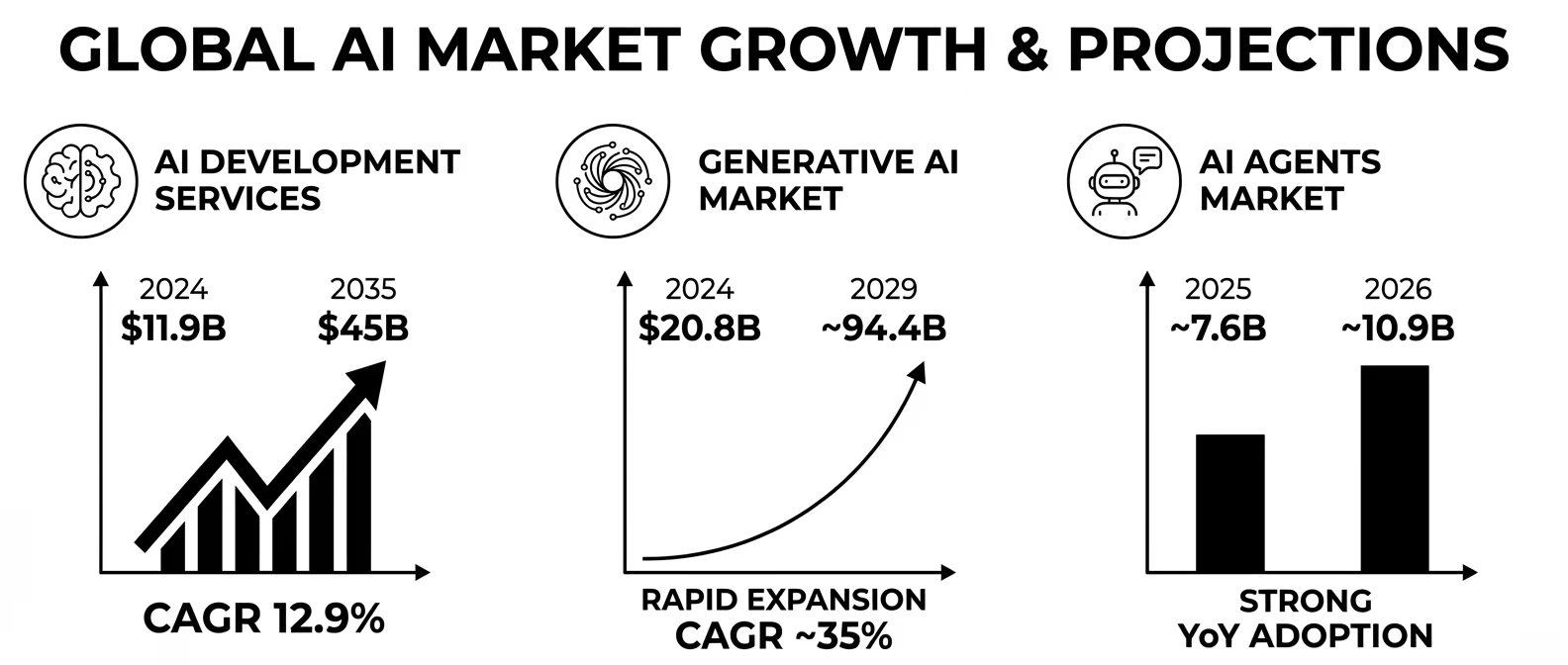
Utilization of it has increased significantly in recent years! The real estate AI market is expected to be valued at $222.65 billion by 2024.
And guess what?
By the end of 2025, It is expected to increase further by $303.06 billion.
The reason is, that more people are adopting AI for tasks like market analysis, property evaluations, and automated property administration, and this massive growth is taking place.
AI is rapidly emerging as a significant component of the real estate sector, growing at a rate of 36.1% annually.
Chatbots, virtual assistants, and improved property search tools have simplified the real estate process for everyone.
As moving Forward, the market is predicted to grow steadily. AI in real estate market size is expected to reach $988.59 billion, with a CAGR of 34.4% by 2029.
This rise has been caused by the demand for safe data processing, improved consumer interactions, and superior market trend prediction tools.
AI will continue to play an important part in duties such as making virtual property tours, managing buildings, and providing personalized property recommendations.
The demand for smarter tools and better services demonstrates how vital AI is in making the real estate sector more efficient and user-friendly.
AI in real estate depends on machine learning and deep learning algorithms for simplifying tasks and improvising decision-making.
Machine learning analyzes large datasets, identifies patterns, and makes reliable predictions without needing specific programming. It helps real estate agents predict market values, analyze trends, and make data-driven decisions.
Deep learning appears like the human brain’s ability to execute advanced tasks. It enables virtual assistants, personalized property feeds, and even facial recognition in real estate applications.
These solutions help brokers, clients, and property buyers by providing individualized recommendations and making the buying and selling process easier and more efficient.
AI integration into the real estate industry has benefited professionals, buyers, and sellers equally.
AI and real estate work together to simplify processes, reduce waiting times, and improve real estate transactions.
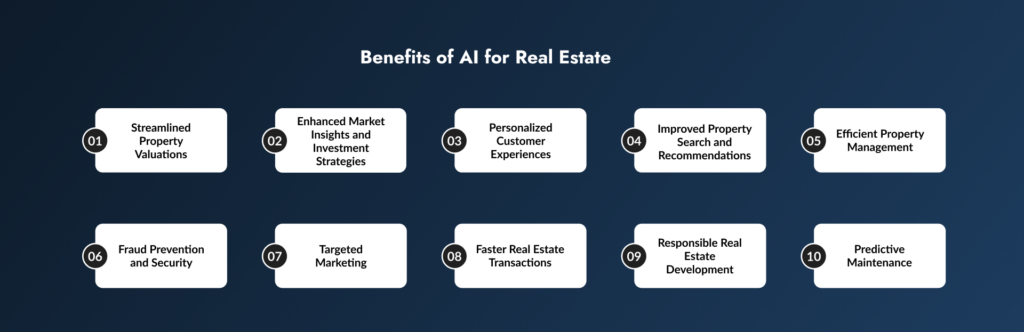
The main benefits of AI solutions in real estate are listed below:
AI systems can quickly analyze large amounts of data, such as sales history, neighborhood trends, and property conditions, to give highly accurate property valuations within seconds.
Professionals may get more market insights by using AI in real estate. By adjusting to shifting market conditions, it helps investors in making better decisions, lowering risks, and increasing returns.
Chatbots and Virtual Assistants offer customized assistance. They provide property details, arrange visits, and help renters and buyers in finding residences that satisfy their needs.
AI in Real Estate apps analyzes customer preferences and suggests properties that match their requirements. This saves time and increases the chances of finding the perfect property.
AI tools help manage properties by automating rent collection, scheduling maintenance, and addressing tenant concerns. This reduces costs and improves tenant satisfaction.
Artificial Intelligence in Real Estate detects suspicious activities to prevent fraud. It also strengthens home security by monitoring for potential threats.
AI helps identify the best ways to reach potential buyers and renters. This ensures marketing is focused on the right audience, improving customer engagement.
AI technologies in the real estate industry improve workflow automation, contract review, and electronic signatures, enabling faster real estate transactions.
AI reduces the impact on the environment and optimizes building designs for energy efficiency. This encourages the real estate industry to grow sustainably.
AI monitors building conditions in real time, predicts problems before they arise, and saves money.
The integration of AI in Real Estate applications is changing the way, how industry operates, making processes simpler, faster, and customized.
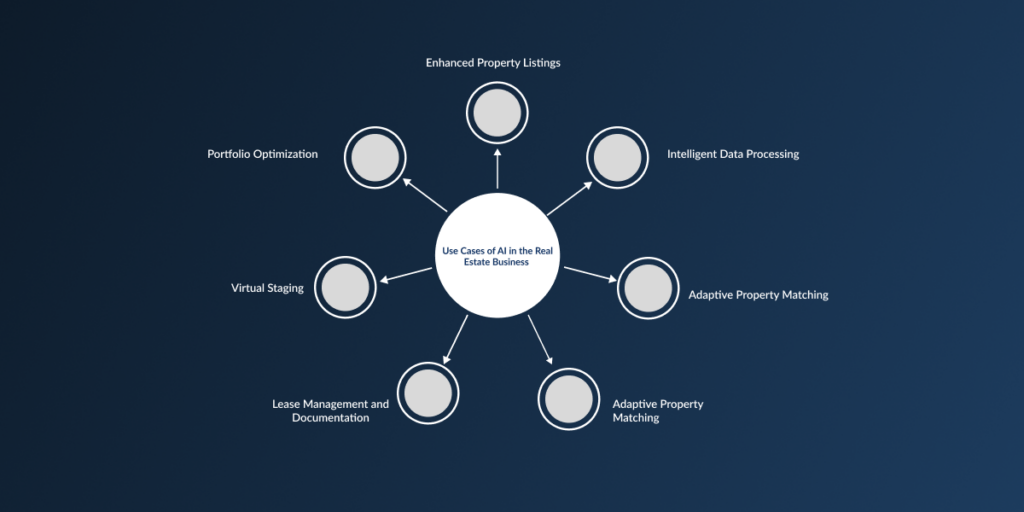
AI is being utilized in several ways that will improve the real estate sector. Here are a few real-world uses for AI apps and solutions in the real estate industry:
AI-powered platforms create detailed property listings that attract buyers by including important details and engaging descriptions.
Real-time analysis of a huge amount of data by AI tools gives real estate experts accurate information that helps in their decision-making.
AI algorithms match buyers with properties based on their search history and market trends, saving time and making the search process easier.
Property Managers save their time with the help of AI-powered solutions by simplifying the development processes, negotiation, and lease management.
In real estate, generative artificial intelligence (AI) artificially fills and decorates vacant areas in property pictures, improving the appeal of listings and helping customers in better visualize the area.
AI tools help investors and managers allocate funds across properties by analyzing past performance, risks, and market trends. This reduces risks and guarantees higher rewards.
Artificial intelligence in real estate optimizes lease management and property searches, increasing productivity and client satisfaction.
Businesses that develop AI and mobile apps are crucial to enabling these developments.
Using AI in real estate can make business processes more efficient and help deliver better results.
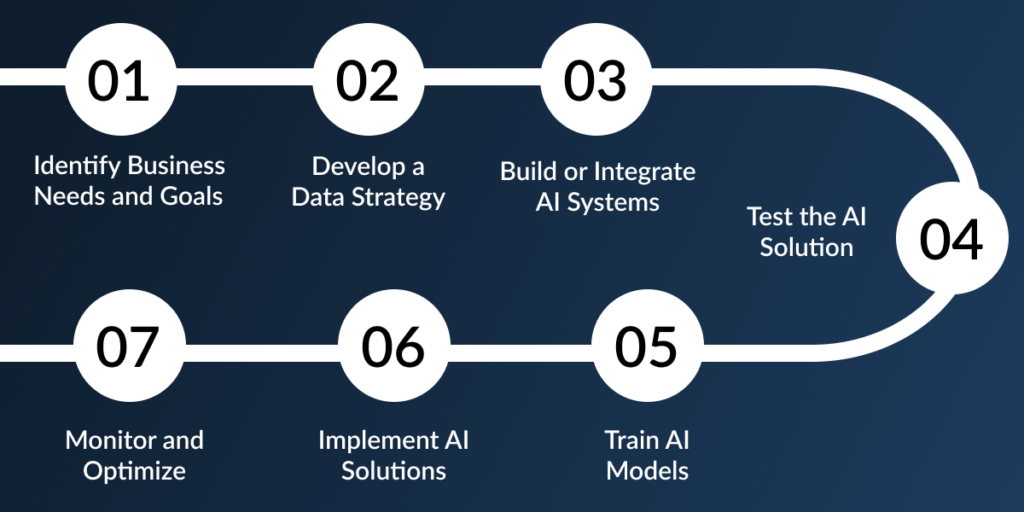
To ensure its success, businesses should follow these steps:
Start by understanding what your business needs.
For example, do you want to improve property valuations, attract more clients, or make processes faster?
Knowing your goals will help guide your AI plan.
AI works best with data. Collect information such as property details, market trends, and client preferences. Organize this data to make it easy for AI systems to analyze.
Choose the right AI tools or systems. You can either build custom systems or use existing ones that suit your business needs.
Before fully using AI, test it in real situations. Check if it’s providing accurate property valuations, predictions, or recommendations.
AI improves by learning. Train your AI with real data to help it make better predictions and suggestions over time.
Once the system is ready and tested, start using it in daily tasks.
For example, you can automate property searches or help clients with personalized recommendations.
Keep checking how the AI system is performing. If necessary, update or modify it to make sure that it continues to meet your business’s goals.
Businesses may efficiently use AI to simplify operations and enhance services in the real estate sector by following these steps.
AI integration in real estate systems can range in price from $20,000 to more than $200,000.
Complexity, Features, and Deployment Scale of Real Estate AI App Influences the final cost.
| Factors | Estimated Cost |
|---|---|
| Custom AI Solutions in Real Estate | $10,000 to $150,000+ (based on team expertise and app design) |
| Subscription-Based AI Tools | $100 to $1000 per month |
| Maintenance Costs for AI Integration in Real Estate Apps | $10,000 to $80,000 |
| Data Management for Training AI Models | $5,000 to $50,000 |
Generative AI is changing the real estate sector by making common tasks easier and faster.
For example, real estate brokers frequently spend hours arranging and updating records or managing property details. However, with Generative AI in Real Estate, these processes may be automated, saving time and reducing errors.
GenAI develops specialized solutions, such as designing property layouts or writing tailored client communications, which benefit both agents and clients.
By integrating data analysis, smart predictions, and automation, AI improves the real estate process for everyone involved.
Realtors face many challenges during the buying or selling process. But AI solutions help to overcome.
While Real Estate and AI work together to make processes faster and more efficient, human expertise is still important. Realtors use AI as a helpful tool to solve problems, but their skills are needed to build trust, understand client emotions, and handle complex situations.
With support from tools offered by an AI App Development Company, the real estate industry is becoming smarter and more efficient, creating better experiences for everyone involved.
Advanced technologies have changed the real estate industry, improving the accuracy and efficiency of such as property valuation, market analysis, and client service.
Here are some of the advanced AI approaches used in the real estate industry.
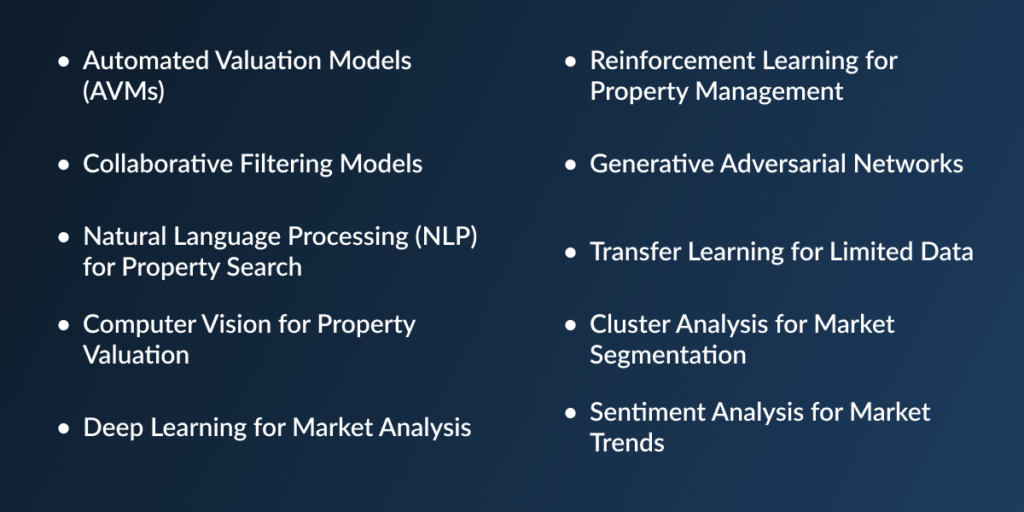
AVMs using AI algorithms and sales data to share estimation on property values. To provide appropriate values, they consider elements such as the property’s location, features, and market trends. This simplifies the property valuation process and reduces human biases.
These models are used in recommendation systems to suggest properties to buyers. They analyze user behavior and preferences to match them with properties that suit their needs. This helps buyers find the right property faster.
NLP helps real estate platforms understand and respond to user queries in natural language. This makes property searches more accurate and personalized, helping buyers find what they are looking for with ease.
Computer vision driven by AI analyzes property photos and videos to determine their worth. It helps in property valuation and identifying problems such as corrosion or damage, by examining the property’s size, design, and condition.
Deep Learning Algorithms analyze large data sets to predict market trends. AI tools provide information to make better decisions by analyzing trends in sales and property values.
By modifying strategies in response to previous experiences, reinforcement learning helps in the optimization of property management.
For example, AI determines rental prices by examining tenant behavior to gradually increase income.
GANs are capable of producing genuine pictures of real estate, including designs and floor plans. This helps developers visualize new projects or changes to existing properties without needing to build physical models. GANs are also used for the virtual staging of homes, making vacant properties look more appealing to buyers.
Transfer learning makes it possible for AI to apply knowledge from one activity to another when there is insufficient data. Even in less developed markets or for particular kinds of properties, this method helps in the construction of accurate models.
AI uses cluster analysis to group properties and customers based on similar characteristics. This helps real estate agents target specific market segments more effectively, offering the right properties to the right people.
AI can examine social media, news, and internet reviews to determine how the general public feels about particular locations or properties. This facilitates data-driven decision-making and market prediction for real estate professionals.
Real estate agents may make better judgments, provide clients with personalized experiences, and operate more effectively by utilizing these advanced AI strategies.
The real estate market is not an exception to how artificial intelligence (AI) is quickly altering how various businesses operate.
To enhance the purchasing, selling, and renting of real estate, numerous businesses are implementing AI technologies.
Let’s examine some instances of how artificial intelligence is influencing the real estate industry.
These case studies demonstrate how AI is changing real estate.
Companies such as Zillow, Compass, and IBM Watson are using artificial intelligence to increase property evaluation, help agents make better decisions, and assist investors in risk management.
With these AI technologies, the real estate industry is getting smarter, faster, and more efficient.
The use of AI in real estate is already making a big impact, and the future looks even more promising.
Some key trends and potential developments:
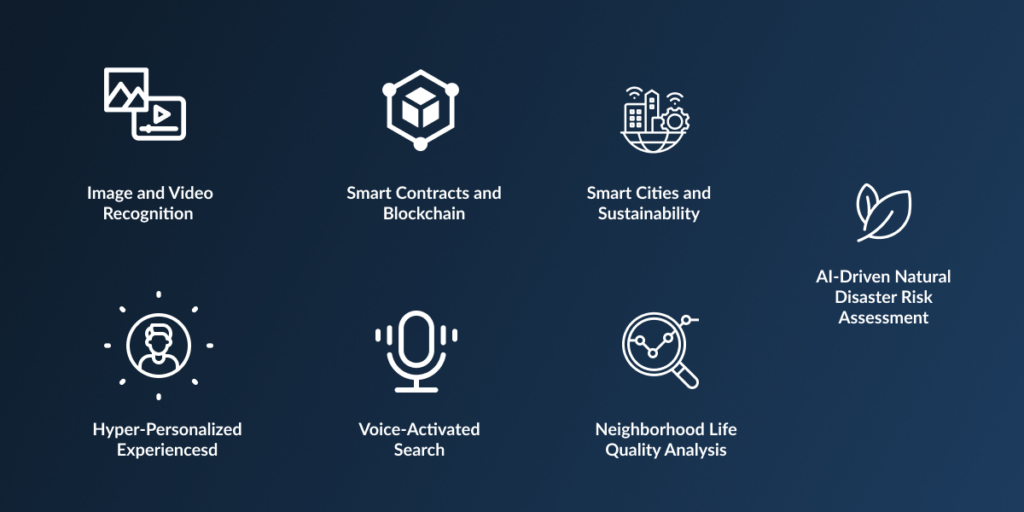
AI will examine property photographs and videos to improve listings and virtual tours, allowing buyers to view buildings remotely.
AI combined with blockchain will make property transactions more secure, transparent, and efficient through smart contracts.
AI will help to create cost-effective, sustainable cities with improved infrastructure and environmentally conscious real estate developments.
AI will provide highly customized property recommendations based on buyer preferences, hence increasing customer satisfaction.
AI voice assistants will make property searches easier and more convenient by using voice commands.
AI will evaluate aspects such as crime rates and schools to help customers in selecting the best location.
AI will predict disaster risks, allowing buyers to make more informed property decisions.
AI will continue to transform the real estate industry, making transactions faster, more efficient, and customer-focused. With AI solutions in real estate, professionals will improve decision-making, customer service, and market adaptability.
AI in real estate is affecting the way companies operate, making things faster, smarter, and more efficient. From property evaluations to personalized recommendations, AI helps agents and clients in making more informed decisions.
Working with a skilled real estate app development company can help you maximize the potential of this technology. These companies offer customized AI solutions that meet the specific requirements of the real estate market.
By implementing AI, real estate companies can stay competitive, reduce time, and provide better services to their clients. The future of real estate and AI appears promising, providing a smarter way for property management and investment.
A: There are many tools for real estate, including CINC for lead generation, Top Producer for client management, and REimagineHome for virtual staging. These tools enable agents to work smarter and faster.
A: Smart home appliances, security systems, and other gadgets may be controlled by voice commands thanks to AI, which powers Google Assistant, Siri, and Alexa. By understanding user preferences, they enable smarter homes.
A: Yes, real estate chatbots provide 24/7 support, answering client questions and giving information anytime. This helps buyers and sellers stay updated quickly.
A: AI agents can help by automating tasks like writing property descriptions and creating listings. It saves time but doesn’t replace the personal touch of real estate professionals.
A: Real estate agents will not be replaced by AI; rather, it will assist them in their profession. AI and human experience working together can provide customers with superior services.
Co-Founder
Developer Bazaar technologies


Key Takeaways: The cost to develop an AI app typically ranges from $10,000 to $500,000+, depending on app complexity, AI features, integrations, security requirements, and the development team. Choosing pre-trained AI models instead of building custom...
Key Takeaways: The cost to develop an AI app typically ranges from $10,000 to $500,000+, depending on app complexity, AI features, integrations, security requirements, ...
Key Takeaways: Building an LLM agent is easier when you start with one well-defined task instead of trying to automate everything at once. Most businesses can build powerful AI agents using pre-trained LLMs without training a...
Key Takeaways: Building an LLM agent is easier when you start with one well-defined task instead of trying to automate everything at once. Most ...
Key Takeaways: AI predictive maintenance prevents equipment failures before they happen by analyzing real-time sensor data and identifying early warning signs. Predictive maintenance with AI is more efficient than reactive or preventive maintenance, helping businesses reduce...
Key Takeaways: AI predictive maintenance prevents equipment failures before they happen by analyzing real-time sensor data and identifying early warning signs. Predictive maintenance with ...

Key Takeaways: AI software delivers long-term business value by improving decision-making, automation, customer experiences, and operational efficiency. Successful AI projects require more than coding, they depend on quality data, the right AI model, seamless integration, and...
Key Takeaways: AI software delivers long-term business value by improving decision-making, automation, customer experiences, and operational efficiency. Successful AI projects require more than coding, ...

Key Takeaways: AI agents go beyond traditional automation by reasoning, planning, and executing multi-step healthcare workflows with minimal human intervention. Agentic AI delivers value across the healthcare ecosystem, from clinical documentation and medical imaging to patient...
Key Takeaways: AI agents go beyond traditional automation by reasoning, planning, and executing multi-step healthcare workflows with minimal human intervention. Agentic AI delivers value ...
Key Takeaways: AI integration helps mobile apps deliver personalized experiences, automate repetitive tasks, improve customer support, and strengthen security. Businesses can start with pre-built AI APIs like OpenAI, Google AI, or AWS AI, making AI adoption...
Key Takeaways: AI integration helps mobile apps deliver personalized experiences, automate repetitive tasks, improve customer support, and strengthen security. Businesses can start with pre-built ...
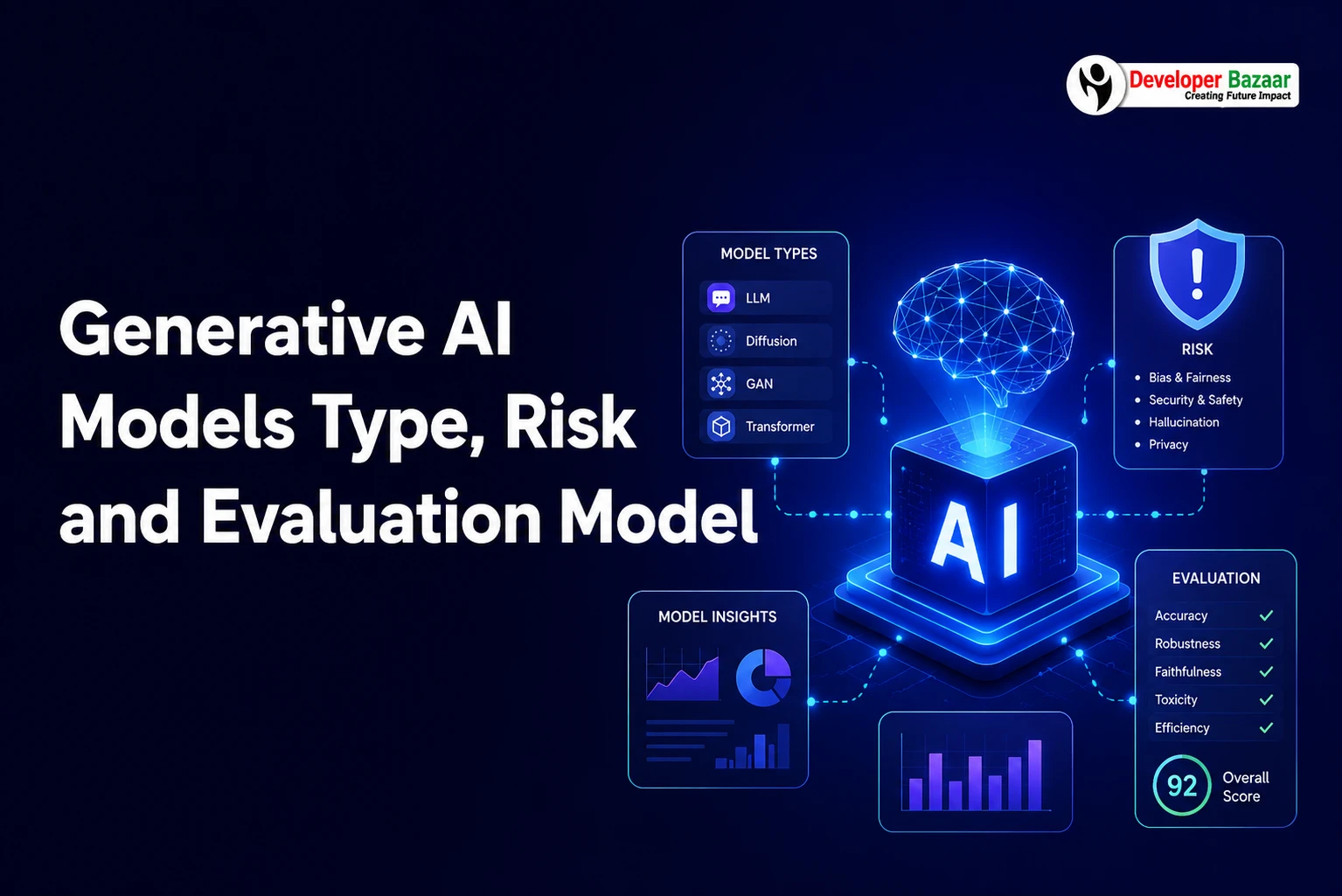
Key Takeaways: Generative AI Models create original text, images, code, audio, and video by learning patterns from massive datasets rather than copying existing content. Different model architectures, including GANs, VAEs, Transformers, Diffusion Models, Autoregressive Models, and...
Key Takeaways: Generative AI Models create original text, images, code, audio, and video by learning patterns from massive datasets rather than copying existing content. ...

This minimum viable product guide will help founders understand how to create a minimum viable product, validate ideas, reduce risk, and launch faster. Key Takeaways: Validate your startup idea before investing heavily in development to reduce...
This minimum viable product guide will help founders understand how to create a minimum viable product, validate ideas, reduce risk, and launch faster. Key ...
Is your business still depending on old software systems that slow down growth and innovation? Many companies struggle with outdated applications that are costly, hard to maintain, and unable to meet modern customer expectations. The growing...
Is your business still depending on old software systems that slow down growth and innovation? Many companies struggle with outdated applications that are costly, ...

Businesses today collect huge amounts of data every second. Finding unusual activities or errors in this massive data is difficult for humans. This is where AI Anomaly Detection becomes helpful. AI-powered systems can quickly scan data,...
Businesses today collect huge amounts of data every second. Finding unusual activities or errors in this massive data is difficult for humans. This is ...

Complete the form below and validate your idea now.
✔ Your idea is 100% protected by our Non Disclosure Agreement.
