

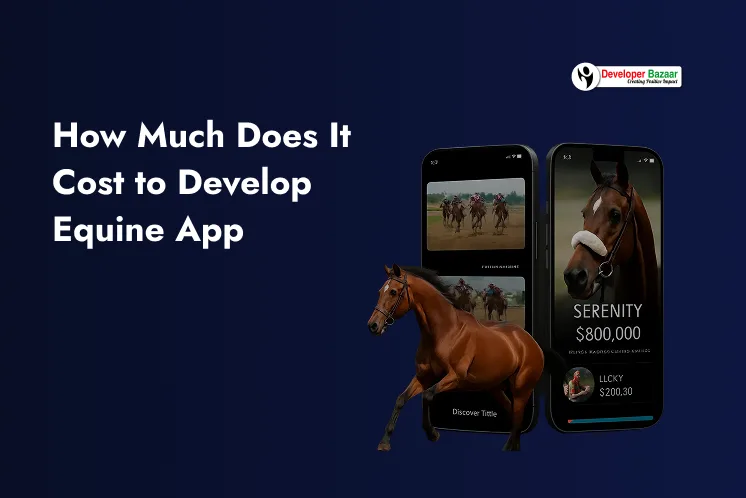
The equine industry is growing fast, and digital tools are becoming very important for horse owners, trainers, and stable managers. An equine app helps users manage horse health, training, schedules, and records in one place.
One of the most common questions businesses ask is, “What is the cost to develop an equine app?”
In 2026, the equine app development cost usually ranges between USD 20,000 and USD 80,000, depending on features, design, and technology choices.
This blog explains the cost to create an equine app, market trends, cost breakdown, and the key factors that affect the total budget. It will help you plan smartly and avoid extra expenses while building an equine app.
An Equine App - Overview
An equine app is a mobile application designed to help people take better care of horses. It supports horse owners, riders, trainers, veterinarians, and stable managers in daily tasks. The app works like a digital assistant for horse care and stable management.
With an equine app, users can store horse profiles that include age, breed, diet, vaccination history, and medical records. Many apps also allow users to track training sessions, feeding schedules, and vet appointments.
Advanced equine apps connect with GPS devices and wearables to monitor horse movement and fitness. These apps reduce paperwork, save time, and enable users to make better decisions by utilizing organized data.
Current Market Situation of Equine App
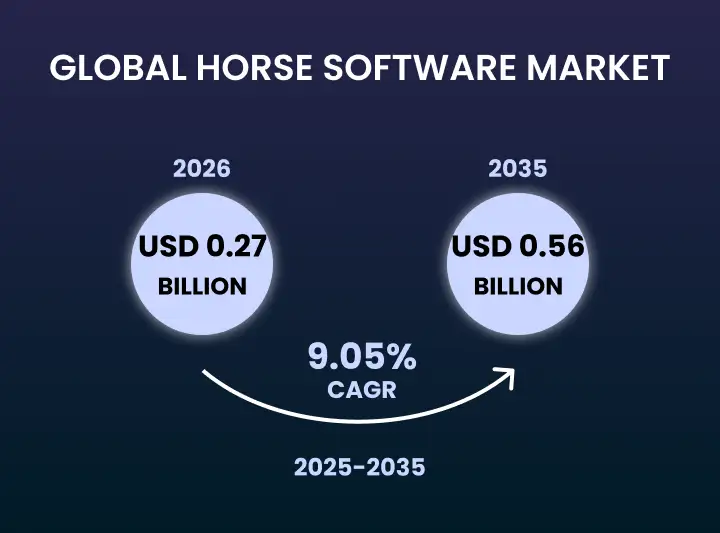
The horse software market is experiencing rapid growth due to increasing demand for advanced horse management tools. According to market reports, the global horse software market is expected to reach USD 0.27 billion in 2026. It is projected to grow to USD 0.56 billion by 2035, with a CAGR of 9.05%.
This growth is driven by cloud-based solutions, mobile apps, and AI-powered insights. Horse management software helps users plan, track, and improve daily operations. These tools increase efficiency, improve customer satisfaction, and support better decision-making.
As more equestrian businesses go digital, the demand to build equine apps and develop horse management apps will continue to rise in 2026 and beyond.

How Much Does It Cost to Build an Equine App?
The cost to develop an equine app usually ranges from USD 20,000 to USD 80,000. The final price depends on app complexity, design level, platform choice, and development approach.
If you want to create an equine app with basic features, the cost will be lower. Adding advanced tools like AI recommendation, GPS tracking, and wearable integration will increase the budget. Choosing cross-platform app development can also reduce costs.
| App Type | Features Included | Development Time | Estimated Cost (USD) |
|---|---|---|---|
| Basic Equine App | Horse profiles, feeding schedules, health logs, reminders, simple UI | 2 - 3 months | $20,000 - $35,000 |
| Complex Equine App | GPS tracking, event scheduling, health records, cloud storage, better UI/UX | 3 - 5 months | $35,000 - $60,000 |
| Advanced Equine App | AI recommendation, wearable integration, real-time analytics, chat, high security | 5 - 8 months | $60,000 - $80,000+ |
What Major Factors Affect the Overall Cost to Develop an Equine App?
Many factors affect the equine app development cost. Each choice you make changes the total budget.
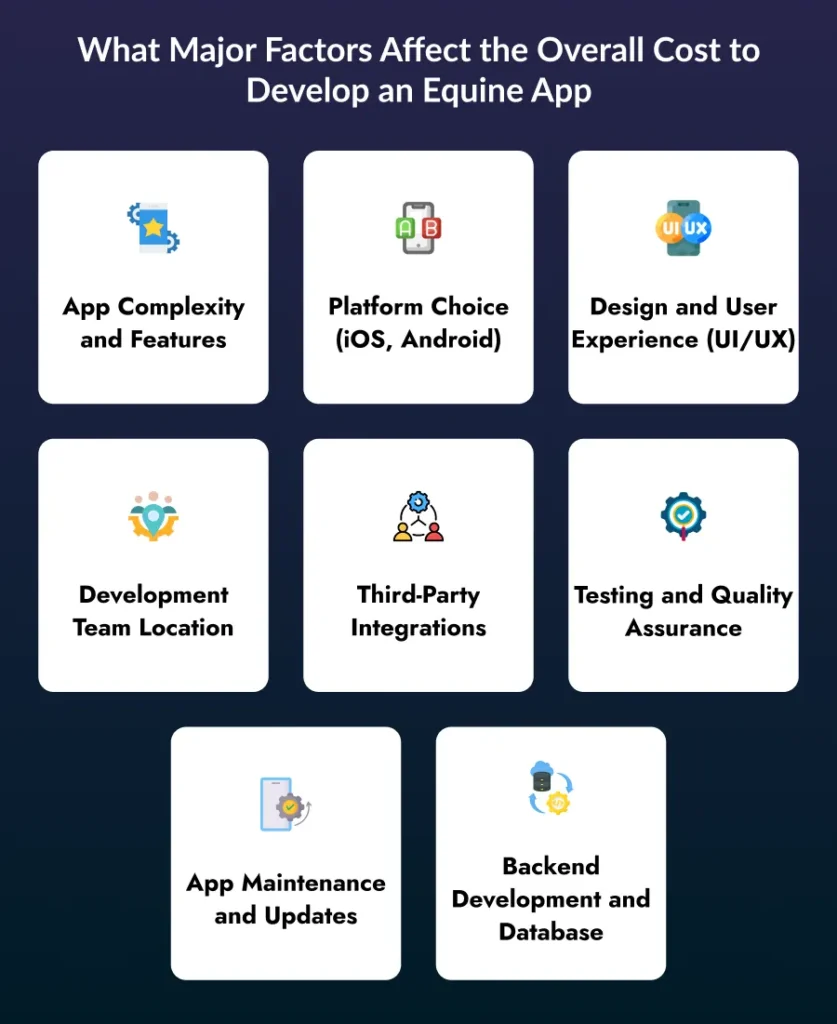
1. App Complexity and Features
Simple apps with limited features cost less to develop, while feature-rich apps require more time and effort. Adding AI analytics, GPS tracking, or smart alerts increases the overall development cost. Complex apps also need more testing and long-term maintenance.
2. Platform Choice (iOS, Android, or Both)
Developing an app for a single platform costs less than building for both iOS and Android. Native apps need separate codebases, which increases development time and cost. Cross-platform app development helps reduce expenses by using one codebase for multiple platforms.
3. Design and User Experience (UI/UX)
A clean and simple design makes the app easy to use and understand. Basic designs are affordable, while animated and custom designs increase the cost. A good user experience improves engagement and keeps users active for longer.
4. Development Team Location
The total cost depends on where your development team is located. Teams in North America usually charge higher rates, while Asian regions offer more budget-friendly options. Choosing to hire Indian developer helps balance cost and quality.
5. Backend Development and Database
The backend manages user data, logins, and app performance. Advanced backends with real-time updates and analytics cost more to build. A strong backend ensures better security, stability, and smooth app performance.
6. Third-Party Integrations
Third-party APIs like payment gateway integration, maps, and cloud services improve app functionality. These integrations can increase development and ongoing costs due to licensing or usage fees. Choosing only essential integrations helps control the total budget.
7. Testing and Quality Assurance
Testing ensures the app works properly across different devices and platforms. Apps with more features require deeper testing, which raises development costs. Proper quality assurance helps avoid bugs and performance issues after launch.
8. App Maintenance and Updates
Maintenance keeps the app updated, secure, and compatible with new OS versions. It includes bug fixes, feature improvements, and security updates. Advanced apps require higher maintenance budgets due to their complexity.
Cost-Effective Strategy to Develop an Equine App
Reducing the cost to develop an equine app is possible with the right planning and smart decisions. You do not need to build everything at once. By focusing on what matters most, you can build an equine app that is useful, affordable, and scalable.
1. Start with an MVP (Minimum Viable Product)
Begin by adding only the most important features like horse profiles, health tracking, and reminders. This helps you to develop an equine app faster and test how users respond to it. Once users like your app, you can slowly add advanced features such as AI recommendations or GPS tracking.
2. Choose Cross-Platform App Development
Building separate apps for iOS and Android costs more money and time. With cross-platform app development, one codebase works on both platforms. This approach reduces development effort and lowers the overall equine app development cost.
3. Outsource Mobile App Development Company
Hiring developers from cost-effective regions can help reduce expenses without lowering quality. An experienced mobile app development company can handle design, development, testing, and support in one place. This saves time and avoids rework during equine app development.
4. Use Ready-Made Templates and APIs
Using ready-made UI templates and third-party APIs speeds up development. APIs for payments, maps, notifications, and analytics reduce custom coding work. This approach helps you build an equine app faster while keeping costs under control.
5. Plan for Scalable Growth
Design your app in a way that allows easy upgrades in the future. Scalable architecture lets you add features without rebuilding the entire app. This helps control long-term equine app development costs and supports business growth.
How to Monetize an Equine App to Generate Revenue?
An equine app can generate income in multiple ways. The right monetization model depends on your users and app features. Below are the most common and effective methods to earn steady revenue.
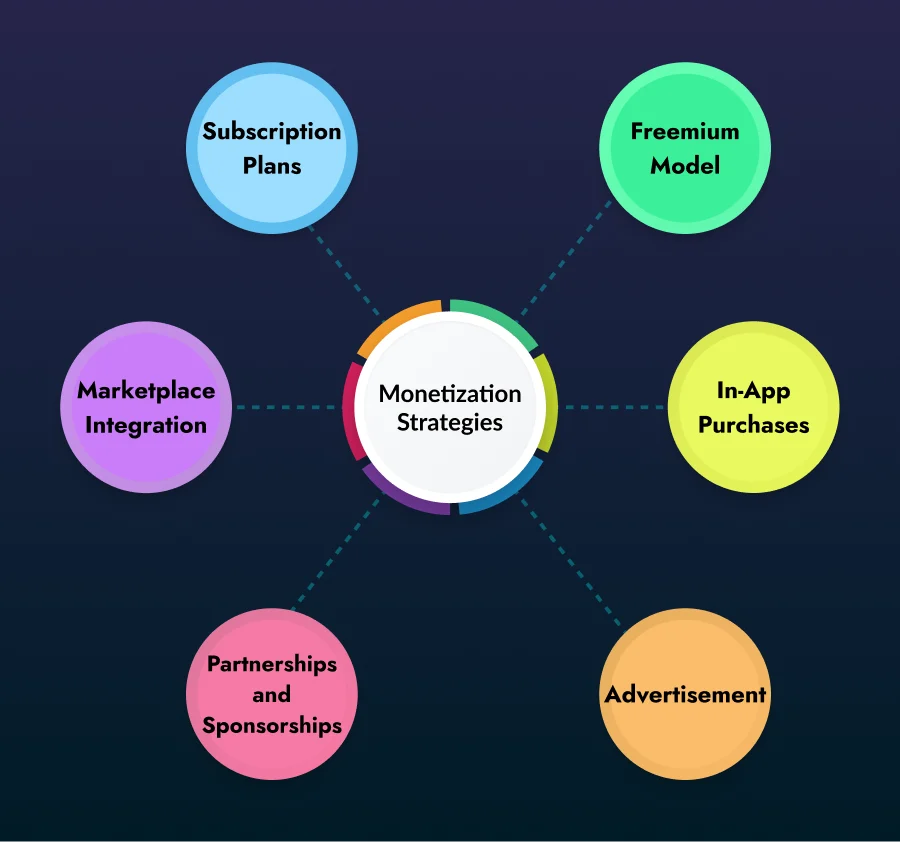
1. Subscription Plans
Subscription plans allow users to pay monthly or yearly to unlock premium features. These features can include advanced analytics, unlimited horse profiles, and AI recommendation tools. This model works well when you build an equine app for trainers, stable owners, and professionals who use it daily. It provides a steady income and supports long-term equine app development growth.
2. Freemium Model
In the freemium model, users can download the app for free and use basic features. To access advanced tools like cloud backup, detailed reports, or expert support, users upgrade to a paid plan. This method helps you to develop an equine app that attracts more users while slowly converting them into paying customers. It also keeps the equine app development cost balanced.
3. In-App Purchases
In-app purchases allow users to buy extra tools inside the app. These may include training plans, diet guides, or horse care content. Users pay only when they need these features, making it flexible and user-friendly. This model adds extra income while building an equine app that delivers more value.
4. Advertisements
Advertisements help your app earn money by showing ads related to equine products or services. You earn income when users view or click on these ads. When ads match the app’s purpose, they do not disturb the user experience. This method works well when you develop a horse management app with a large user base.
5. Partnerships and Sponsorships
Partnerships allow equine brands, trainers, or event organizers to promote their services in your app. Sponsored listings or featured promotions create extra income for your business. This approach also builds trust and visibility within the equestrian community. It supports equine app development without increasing user costs.
6. Marketplace Integration
Marketplace integration lets users buy and sell horses, equipment, or services within the app. The app earns money through listing fees or commissions on each transaction. This creates a scalable and long-term revenue model. It is especially effective when you build an equine app for a wide equestrian audience.
Connect With Developer Bazaar Technologies to Build Your Equine App
Have an idea and want to turn it into reality? Developer Bazaar Technologies helps you build an equine app that matches your goals and budget. Our team understands the equestrian industry and builds apps that are simple, secure, and powerful.
As a trusted mobile app development company, we guide you from idea validation to launch and beyond. Whether you want to develop a horse management app or a feature-rich solution with AI recommendations and cloud storage, we deliver quality at every step.
We also offer AI development services to add smart insights and automation to your app. Our support does not stop after launch, we help you scale, update, and grow your app over time.
Conclusion
Investing in an equine app is a smart move for anyone involved in the horse industry. It helps manage horse care, training, and stable operations in a simple and digital way. Knowing the cost to create an equine app before starting is very important for proper planning.
The final equine app development cost depends on features, design, and technology choices. Starting with an MVP, using cross-platform app development, and working with experienced developers can help reduce expenses.
Do not forget about ongoing costs like maintenance, hosting, and marketing. When planned well, building an equine app brings long-term value, improves communication, and supports business growth.
FAQs
1. How much does it cost to build an equine app?
The cost usually ranges between $20,000 and $80,000. Basic apps cost less, while advanced features like AI recommendation or GPS tracking increase the price.
2. How long does it take to develop an equine app?
A basic app can take 2 – 4 months, while a complex or advanced app may take 6 – 9 months. Time depends on features, design, and platform choice.
3. How can I reduce the cost of equine app development?
You can save money by starting with an MVP, using cross-platform app development, and focusing on essential features first. Outsourcing to experienced developers also lowers costs.
4. What hidden costs should I expect after building an equine app?
Extra costs include maintenance, cloud hosting, marketing, and security updates. These can add 15 – 25% to your yearly budget.
5. Do I need post-launch support for my equine app?
Yes, ongoing support is important to fix bugs, update features, and ensure smooth performance. Regular updates keep your app secure and compatible with new devices.

RM Mishra
Co-Founder
Developer Bazaar technologies