





Projects Completed
Happy Clients
Delivery Rate
Communication
Apps Downloads
Years of Growth
 By
Developer Bazaar Technologies
By
Developer Bazaar Technologies
With the rise of fintech, online payments have become faster and easier than ever. Businesses and individuals can enjoy instant payments and quick settlements, all with the help of payment gateways.
A payment gateway is a digital system that securely handles every transaction, making it essential for any website or app that accepts online payments. It also offers the convenience of contactless payments, keeping customer information safe.
But with so many options available today, choosing the right payment gateway can be confusing.
In this comprehensive guide, we’ll cover how to integrate a payment gateway, how to choose the right one for your business, and everything else you need to set up a secure and seamless payment system.
First, we need to understand what a payment gateway is and how it works, so we begin with this.
A payment gateway is a secure digital service that connects your app or website with banks and payment providers. It acts as a middleman between the customer and the business.
Think of it like a cashier in a store. When you buy something, the cashier takes your money, checks if it’s valid, and then gives the shopkeeper the payment. Similarly, a payment gateway checks your card or UPI details, processes them safely, and transfers the money to the business.
With a payment gateway for your app, you can:
Without a payment gateway, your app or website won’t be able to collect payments securely.
A payment gateway may look simple to customers, but it is more complex in the background. Here’s a step-by-step process:
A user adds products or services to their cart and chooses to pay. They pick their payment method, such as a debit card, credit card, UPI, or digital wallet.
The app or website redirects the customer to the payment gateway. This can happen inside the app or on a third-party secure page.
The payment details (like card number or UPI ID) are encrypted, so no hacker can read them. The gateway also runs fraud checks using AI, geolocation, and security filters.
The payment gateway contacts the customer’s bank through the card network (Visa, MasterCard, Rupay). The bank checks if the customer has enough balance and if the details are correct.
Once approved, the customer’s bank sends the money to the merchant’s bank (acquiring bank). The business receives the amount in its account, usually within 1 – 3 working days.
This entire process happens within seconds to give users a smooth experience.
For example, Razorpay is one of the most popular gateways.
This simple flow allows the buyer’s data to be safe, the seller gets paid, and the process is simple and effortless.
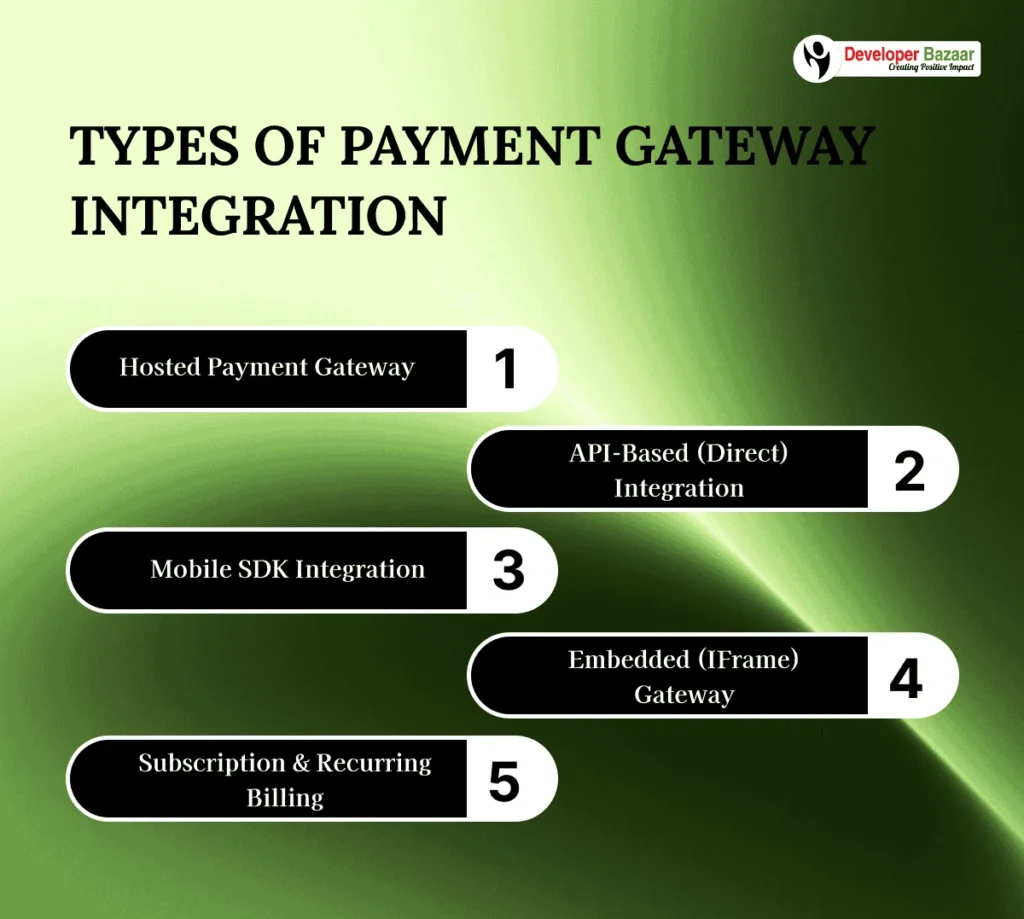
Choosing the right type of payment gateway is very important because it directly impacts both user experience and security. Here are the main types of payment gateway integrations you can consider:
A hosted payment gateway redirects customers to a third-party page, such as PayPal or Razorpay, to complete their payment. The biggest advantage here is that the gateway provider takes care of all the security checks and compliance requirements. This makes setup easy and highly secure. However, since users have to leave your website or app to make the payment, it may sometimes lead to a drop in conversions.
In API-based integration, the payment is processed directly on your website or app using an API. This gives you complete control over the checkout design and allows you to provide a fully branded experience to your customers. The downside is that it requires you to follow strict security rules, such as PCI DSS compliance, which can be more complex for businesses.
Mobile SDK integration is designed for apps and enables payments directly within the mobile application. Developers add a software development kit (SDK) to create a smooth and secure in-app payment experience. This type of integration is great for mobile-first businesses. However, it does require skilled developers to implement correctly.
With an embedded gateway, the payment form is displayed directly inside your website or app through an iframe. This means users can complete their payment without being redirected elsewhere, while sensitive payment data is still securely managed by the payment provider. It offers a balance of seamlessness and security, but customization options are usually limited.
This type of payment gateway is ideal for businesses that charge customers regularly, such as Netflix or SaaS platforms. It allows payments to be deducted automatically on a monthly or yearly basis. For users, it offers convenience since they don’t have to pay manually every time, and for businesses, it provides a stable and predictable revenue stream. However, it requires strong security systems to safely store and manage customer payment details.
In the end, the right payment gateway depends on your business model, budget, and customer needs. A small online shop may go for a hosted gateway, while a SaaS business would likely prefer recurring billing.
If you’re building a mobile app and want to integrate a payment gateway, below are the steps you can follow:
Decide if your app is for eCommerce, subscriptions, or a marketplace. Based on that, list the payment methods you need: cards, UPI, BNPL, or wallets.
Compare providers like Stripe, PayPal, Razorpay, or PayU. Check their transaction fees, payout cycle, supported countries, and extra features.
Register your business, open a current account, and complete KYC verification. Most providers will need your tax ID, bank details, and company registration documents.
Use sandbox/test mode to try out transactions without real money. Test success, failure, expired cards, and network errors.
Switch to live API keys and launch the integration. Monitor transactions, fraud alerts, and user experience.
With the help of a professional app development company, you can streamline this process and avoid errors.
When setting up an online payment gateway integration, you must consider several factors to make sure simple, secure, and reliable transactions. Ignoring these aspects can lead to failed payments, poor user experience, or even financial losses.
Businesses can choose between dedicated accounts and aggregate accounts. Dedicated accounts give you full control but take longer to set up and cost more. Aggregate accounts (like Stripe or PayPal) are cheaper and quicker but have limited customization.
Every business that accepts payments must follow PCI DSS (Payment Card Industry Data Security Standards). This allows sensitive data like card numbers is encrypted and safe. Even if you use a third-party service, you must implement strong security features like tokenization, SSL, and fraud checks.
Sometimes, customers may face failed transactions or raise chargebacks. Without a proper dispute resolution system, you risk losing trust. Using tools like automated refunds, chargeback management systems, and customer notifications helps improve reliability.
If you want to sell globally, your gateway should support multi-currency transactions. Features like real-time currency conversion and local payment methods (e.g., UPI in India, Alipay in China) make global customers feel comfortable and improve success rates.
Customers abandon payments if they face delays. Choose a gateway with 99.9% on-time and fast processing to avoid failures. Quick and reliable payments improve customer satisfaction and reduce cart abandonment.
Your customers may prefer different methods like debit cards, wallets, or BNPL. Offering multiple payment options increases conversions. Supporting regional preferences ensures local customers don’t drop off because their favorite method isn’t available.
A payment gateway isn’t limited to just eCommerce. It enables in many industries and makes payments simple across different platforms.
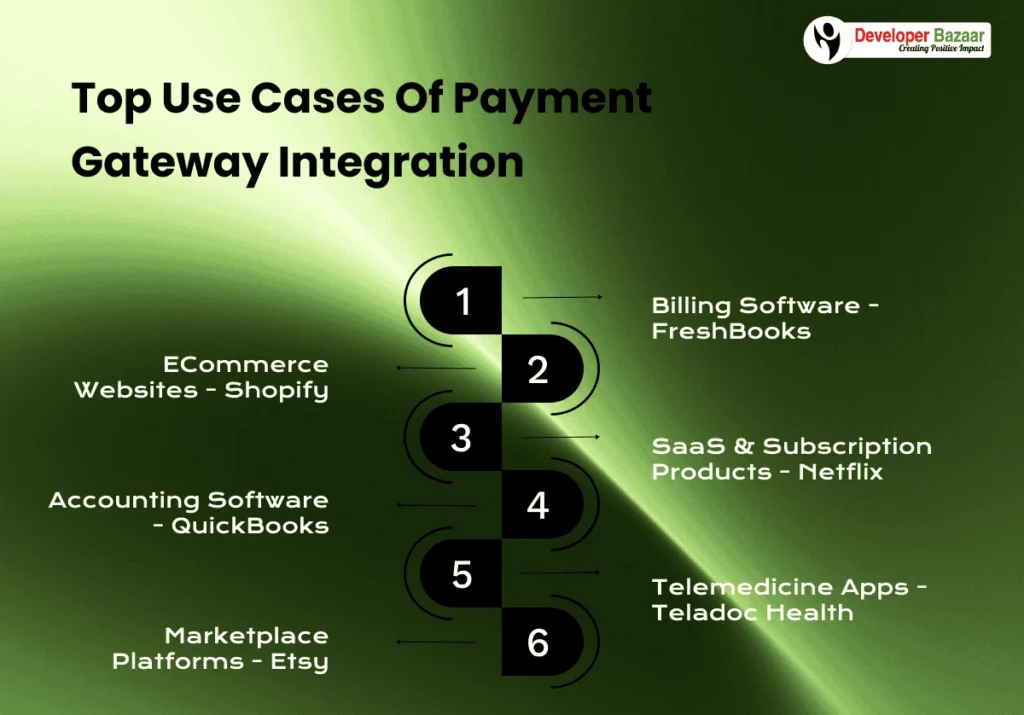
Below are the top use cases with examples:
Billing tools like FreshBooks use Stripe and PayPal integration to automate invoicing, renewals, and late fees. Customers can pay invoices instantly, reducing delays in payments and improving business cash flow.
eCommerce platforms like Shopify integrate with PayPal, Stripe, and Klarna. This allows customers to choose from multiple payment methods, enjoy quick checkouts, and trust that transactions are secure.
Netflix uses Adyen and Stripe to handle recurring subscriptions. Their payment system supports global currencies, automated billing, and even AI-based churn prediction, ensuring smooth renewals.
QuickBooks integrates with Stripe and Square for automated invoicing and reconciliation. This means businesses don’t have to manually track payments, making tax compliance and financial management easier.
In telemedicine, patients pay for online consultations and subscriptions. Teladoc integrates with PayPal and Stripe to enable smooth, secure payments while ensuring compliance with healthcare regulations.
Marketplaces like Etsy use Adyen and Payoneer to manage multi-vendor payments. Their system ensures that vendors get paid on time, buyers feel secure, and international transactions are handled without issues.
These examples show how implementing payment gateway integration boosts trust, automates billing, and ensures smooth business operations.
The payment industry is evolving fast, with FinTech innovation changing how people pay. The future of payment integration services will focus on speed, security, and frictionless experiences.
Near Field Communication (NFC) allows users to tap their phone to pay instantly. Apps like Apple Pay and Samsung Pay already use this technology, making checkouts faster and reducing dependency on cards.
Cryptocurrency is no longer a buzzword. Businesses are starting to integrate Bitcoin and other cryptos into their apps. This makes payments faster, borderless, and attractive to tech-savvy users.
Fingerprint scans, face recognition, and even voice authentication are becoming part of payment gateways. This boosts security while making checkout faster, no need to type long passwords every time.
Apps like WeChat, Grab, and Paytm are combining payments, shopping, banking, and even ride-hailing in one app. These “super apps” are changing the way how consumers use financial services.
QR code payments are rising in markets like India and Southeast Asia. Apps like Google Pay and Alipay make it easy to scan and pay instantly. This method is cheap, fast, and widely accessible.
These innovations prove that the future of online payment gateway integration will be smarter, faster, and more inclusive. Businesses that adapt early will gain customer trust and increase revenue.
The cost of a payment gateway depends on the provider and the type of transactions you handle. Generally, you can expect:
Some providers offer free setup with only transaction fees, while others may charge a one-time integration fee. It’s important to compare pricing models before choosing the right one.
At Developer Bazaar Technologies, we make it easy for businesses to set up secure and reliable payment gateways on their websites and mobile apps. Whether you need to accept UPI, credit and debit cards, net banking, or Buy Now Pay Later (BNPL) payments, our team ensures a smooth and hassle-free integration.
We also take care of all security standards and compliance requirements, so your customers can enjoy a safe checkout experience. With our expertise, you can offer a seamless payment system while you focus on growing your business.
A payment gateway is the backbone of every online business because it makes transactions fast, safe, and convenient. The right gateway for your business depends on factors like budget, customer needs, and business model.
Partnering with an experienced company like Developer Bazaar Technologies ensures you get the best solution without complications. By choosing the right integration, you not only build customer trust but also increase your sales and conversions.
Yes, payment gateways can be integrated with both websites and mobile apps using APIs or plugins provided by the gateway provider.
The setup can take anywhere from a few hours to a couple of days, depending on documentation, verification, and provider approval.
You should look at transaction fees, security features, supported payment modes, settlement time, and customer support.
You can integrate a payment gateway using ready-made plugins (like for Shopify or WooCommerce) or through custom API integration by a developer.
Yes, many gateways set daily or monthly transaction limits depending on your business profile and KYC verification.
No, UPI is a payment method. It works through banks and can be enabled inside a payment gateway for online transactions.
Co-Founder
Developer Bazaar technologies

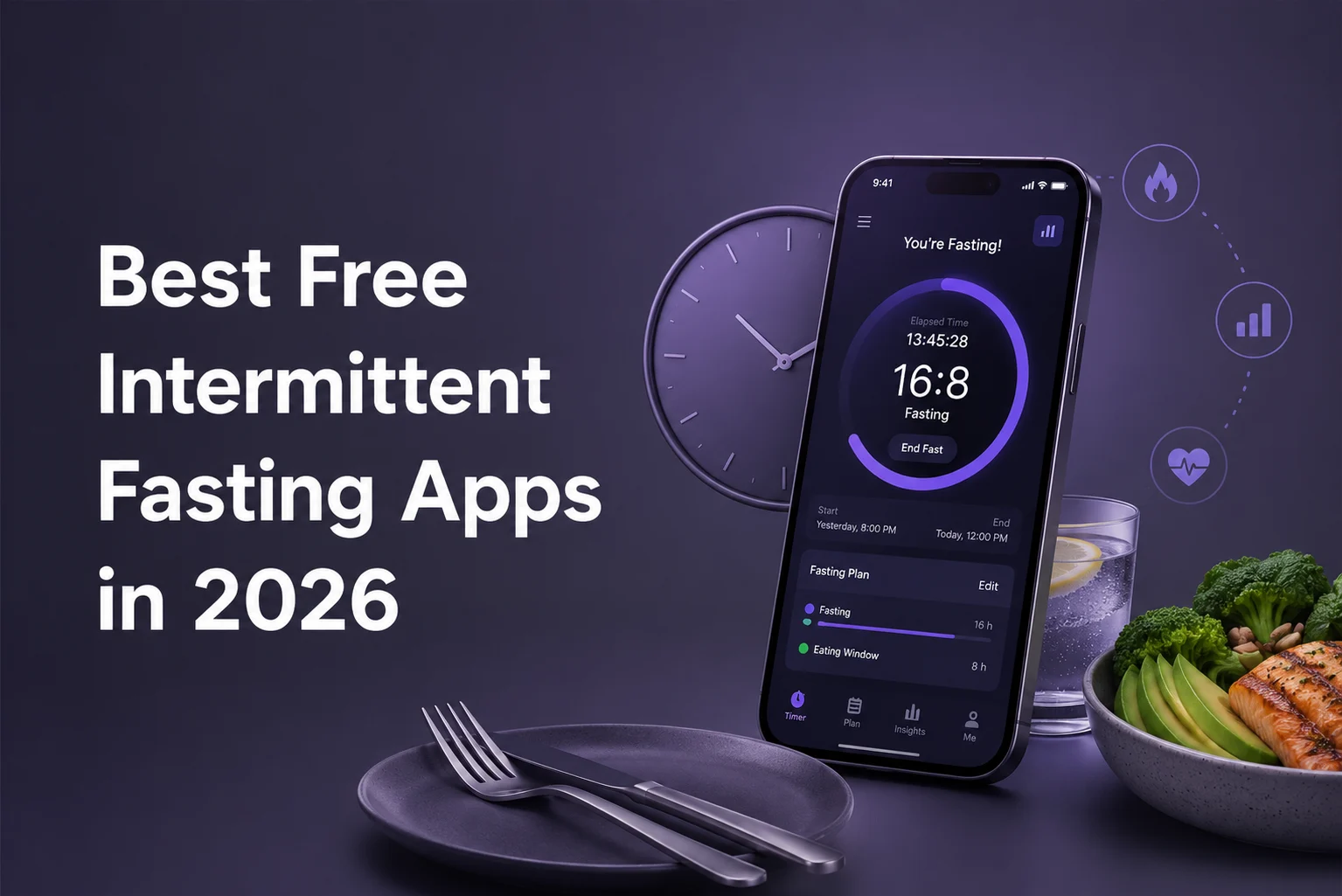
Key Takeaways: An Intermittent Fasting App can make fasting easier by helping users track fasting windows, meals, water intake, and weight loss progress. The Best Intermittent Fasting App depends on your goals, whether that’s weight loss,...
Key Takeaways: An Intermittent Fasting App can make fasting easier by helping users track fasting windows, meals, water intake, and weight loss progress. The ...
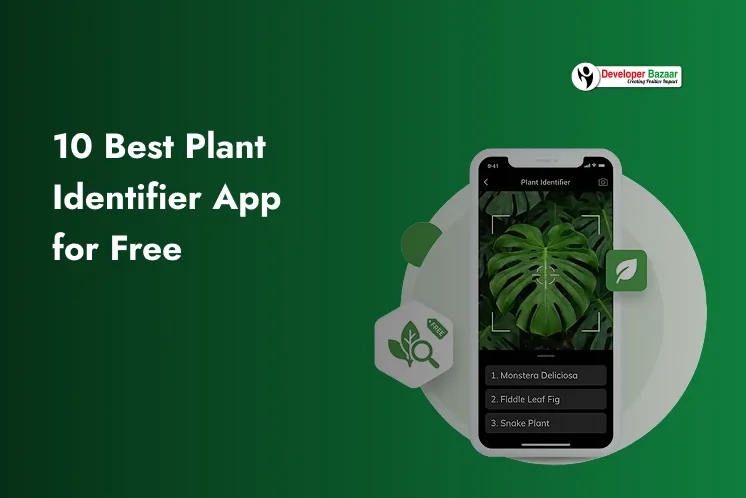
Today, smartphones can do many amazing things. One of them is helping us identify plants. With just one photo, a plant identifier app can tell you the name of a plant, how it grows, and how...
Today, smartphones can do many amazing things. One of them is helping us identify plants. With just one photo, a plant identifier app can ...
The technology landscape has shifted dramatically, creating an unprecedented paradox.74% of employers say they are struggling to find the skilled talent they need, while IDC predicts that by 2026, more than 90% of organizations worldwide will...
The technology landscape has shifted dramatically, creating an unprecedented paradox.74% of employers say they are struggling to find the skilled talent they need, while ...
Australian enterprises are experiencing a digital transformation revolution. According to IBISWorld, the Australian BPA market is projected to reach AUD 2,873.5 million by 2030, growing at a 22.7% CAGR. With over 72% of mid-to-large Australian businesses...
Australian enterprises are experiencing a digital transformation revolution. According to IBISWorld, the Australian BPA market is projected to reach AUD 2,873.5 million by 2030, ...
The UAE food delivery market has transformed from a convenience service into an essential lifestyle component for millions of residents. Dubai, as the region’s commercial hub, leads this digital revolution with sophisticated platforms that cater to...
The UAE food delivery market has transformed from a convenience service into an essential lifestyle component for millions of residents. Dubai, as the region’s ...
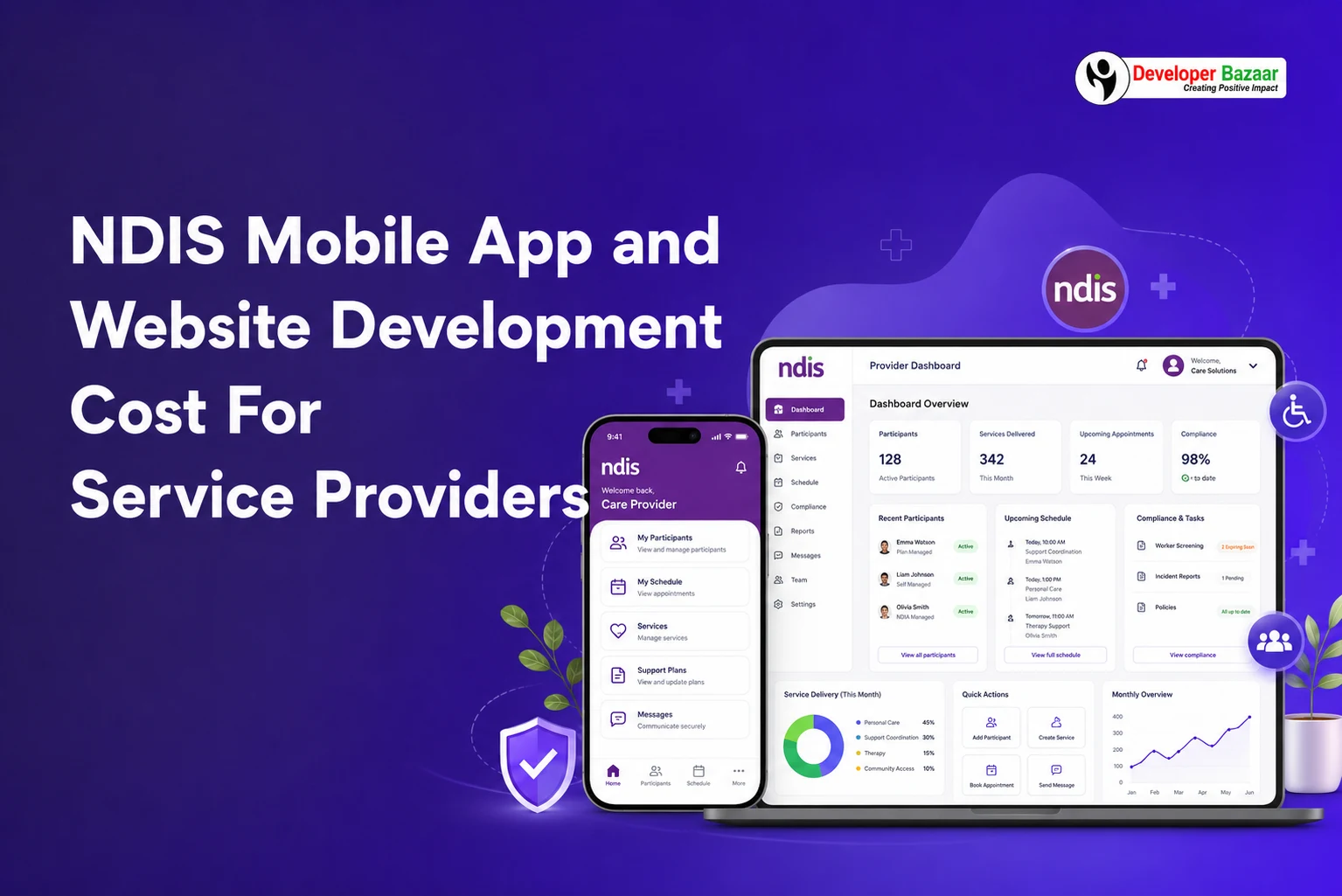
Key Takeaways: The cost of developing an NDIS mobile app or website depends on factors such as platform type, feature complexity, accessibility requirements, integrations, security, and the development team you choose. A basic NDIS website typically...
Key Takeaways: The cost of developing an NDIS mobile app or website depends on factors such as platform type, feature complexity, accessibility requirements, integrations, ...

AI-powered chatbots are one of the tools that have become very popular in the last few years. You must have seen these chatbots where you use customer support in shopping or food delivery apps to know...
AI-powered chatbots are one of the tools that have become very popular in the last few years. You must have seen these chatbots where ...

Complete the form below and validate your idea now.
✔ Your idea is 100% protected by our Non Disclosure Agreement.
