

The way people pay for products and services is changing fast. Today, users want flexible payment options that are simple, quick, and stress-free. This is why Buy Now Pay Later (BNPL) and split payment apps are becoming popular worldwide.
Apps like Tamara allow users to shop now and pay later in smaller instalments. They also make it easier to split bills and manage shared expenses. From shopping and travel to rent and restaurant bills, people now prefer digital payment solutions that offer convenience and flexibility.
If you want to develop a split payment app like Tamara, this guide will help you understand everything step by step. You will learn about the business model, key features, development process, technology stack, estimated costs, and future market opportunities.
Whether you are a startup, entrepreneur, or fintech business, this guide will help you understand how to create an app like Tamara in a simple and easy way.
Market Context Business Model
The fintech market is growing quickly, especially in the Middle East. More users now prefer flexible payment solutions instead of paying the full amount up front. This growing demand has made BNPL and split payment platforms highly popular.
Apps like Tamara have changed digital payments by allowing users to split purchases into smaller installments while merchants receive payments instantly. These platforms help reduce payment stress for customers and improve sales for businesses.
If you want to develop split payment app like Tamara, it is important to understand that such platforms are more than simple payment apps. They work as complete financial systems that manage:
- Credit checks
- Instalment payments
- Merchant settlements
- Fraud prevention
- Regulatory compliance
A Tamara-like platform mainly includes three core parts:
- A user app for payments and instalment tracking
- A merchant integration system for checkout payments
- A backend risk and financial management system
The business model mainly depends on:
- Merchant transaction fees
- Late payment charges
- Premium services and rewards
- Banking and payment partnerships
Since these apps handle financial transactions and user credit data, security, compliance, scalability, and user trust become critical from the beginning. This is why businesses often work with experienced and trusted mobile app development company in Dubai to build secure and scalable platforms.
How Does the Split Payment App Simplify Group Transactions Process?
Split payment apps make it easier for people to manage shared expenses without confusion or manual calculations. Whether it is a restaurant bill, group travel expense, rent payment, shopping purchase, event contribution, or gift purchase, these apps help divide the payment automatically among multiple users. Instead of one person paying the full amount upfront, everyone can pay their share directly through the app. This makes the payment process faster, more transparent, and stress-free.
Apps like Tamara have become popular because they combine split payments with flexible instalment options. Users can buy products instantly and pay later in smaller amounts, which improves affordability and convenience. At the same time, merchants receive payments on time, creating benefits for both customers and businesses.
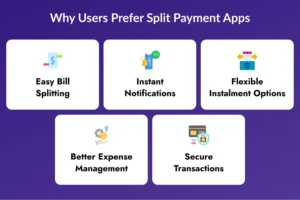
Why Users Prefer Split Payment Apps
1. Easy Bill Splitting
The app automatically calculates how much each person needs to pay, reducing errors and manual calculations.
2. Instant Notifications
Users receive alerts and reminders for pending payments, due dates, and successful transactions.
3. Flexible Instalment Options
Customers can divide large payments into smaller instalments instead of paying the full amount at once.
4. Better Expense Management
All payments, transaction history, and pending dues are available in one dashboard for easy tracking.
5. Secure Transactions
Modern fintech apps use encryption, authentication systems, and fraud detection tools to protect user data and payments.
The growing success of Tamara shows that users now prefer payment platforms that are simple, secure, and flexible. With millions of active users and high transaction volumes, the demand continues to rise for businesses looking to develop an app like Tamara or build split payment app like Tamara.
The Growing Demand for BNPL Services: Key Statistics to Know
The BNPL market is growing at an incredible rate worldwide.
Here are some important statistics for 2026 and beyond:
- The global buy now, pay later (BNPL) market is projected to grow from $10.87 billion in 2025 to $14.09 billion in 2026, at a CAGR of 29.6%.
- The market is expected to reach nearly $37.21 billion by 2030, growing at a CAGR of 27.5% due to rising fintech adoption and demand for flexible payments.
- The increasing popularity of online shopping and flexible repayment options is driving the rapid adoption of BNPL worldwide.
- Millennials and Gen Z consumers are among the biggest users of instalment-based payment solutions.
- The Middle East fintech market is expanding quickly because of high smartphone penetration and growing digital banking usage.
- Saudi Arabia and the UAE are emerging as major hubs for BNPL and split payment app development in the Middle East.
These numbers clearly show why businesses want to develop split payment app like Tamara and enter this fast-growing market.
How to Develop Split Payment App Like Tamara?
If you want to develop split payment app like Tamara, you need more than just a good app idea. A successful fintech platform requires proper planning, secure payment systems and strong backend infrastructure. Since split payment and BNPL apps handle financial transactions and user data, every stage of development must focus on security, speed, and reliability.
Below is the complete step-by-step process to create an app like Tamara successfully.
1. Conduct Market Research
The first and most important step is understanding the market before starting development. Proper research helps you learn what users expect from split payment apps and what problems existing apps are not solving properly. It also helps you identify competitors, customer behavior, and market gaps.
You should research:
- Competitor platforms
- User pain points
- BNPL regulations
- Popular payment methods
- Regional fintech trends
- Customer expectations
For example, if you plan to build split payment app like Tamara in Saudi Arabia or the UAE, you must study local financial regulations and digital payment trends carefully. This research helps you create unique features and reduce business risks.
2. Define Core Features
The next step is deciding which features your app will include. Your app should focus on solving real payment problems while keeping the experience simple for users. Instead of adding too many features at the beginning, start with essential functionalities first and expand later.
Below are the most important features required for a split payment app.
1. User Registration and Login
Users should be able to create accounts quickly and securely. A smooth onboarding process improves user experience and increases app adoption. Most fintech apps allow signup through email, mobile numbers, OTP verification, or social logins.
2. User Dashboard
The dashboard acts as the main control center for users. It should clearly display pending payments, instalment plans, transaction history, payment reminders, and credit limits. A simple dashboard helps users manage finances without confusion.
3. Split Payment System
This is the core functionality of the app. Users should be able to split bills equally, assign custom payment amounts, send payment requests, and track who has completed payments. The process should be fast, transparent, and easy to understand.
4. BNPL Functionality
Buy Now Pay Later features allow users to shop instantly and pay later in smaller instalments. Users should be able to select instalment plans, check due dates, and monitor repayment schedules directly from the app.
5. Payment Gateway Integration
Secure payment gateway integration is essential for processing transactions safely. Your app should support multiple payment methods such as credit cards, debit cards, digital wallets, and bank transfers to improve payment flexibility.
6. Push Notifications
Push notifications keep users updated about payment confirmations, upcoming due dates, failed transactions, and promotional offers. Timely reminders help reduce missed payments and improve customer engagement.
7. AI-Based Fraud Detection
Since fintech apps deal with financial transactions, fraud prevention is extremely important. AI-powered fraud detection systems can identify suspicious activities, prevent unauthorized access, and improve overall platform security.
8. Admin Panel
An admin dashboard helps businesses manage the platform efficiently. Admins should be able to monitor users, transactions, merchants, reports, repayment activities, and security alerts from one central system.
Choose the Right Development Approach
Choosing the right development method directly affects app performance, budget, and launch speed. Businesses usually choose between native app development and cross platform app development depending on their goals and budget.
1. Native App Development
Native apps are developed separately for Android and iOS platforms. They offer better speed, performance, and device optimization. However, native development usually requires more time and higher development costs because two separate codebases are maintained.
2. Cross-Platform App Development
Cross-platform app development allows developers to build one codebase that works on both Android and iOS devices. Frameworks like Flutter and React Native are commonly used for this approach. This method is more affordable and helps startups launch products faster.
4. Design a Simple User Interface
User interface design plays a major role in the success of any fintech application. Since users deal with money and transactions, the app must feel simple, clean, and trustworthy. A complicated design can confuse users and reduce customer retention.
A good UI should include:
- Clean layouts
- Easy navigation
- Simple payment flow
- Fast loading screens
- Clear payment instructions
The goal is to make payments, instalments, and bill splitting as easy as possible for every user.
5. Build a Secure Backend Infrastructure
The backend is the foundation of the app. It manages user accounts, transactions, payment processing, security systems, and financial data. Since fintech apps handle sensitive information, backend security must be extremely strong.
Your backend infrastructure should support:
- Data encryption
- Secure APIs
- Cloud storage
- Payment processing
- User authentication
Popular backend technologies for fintech app development services include Node.js, Python, Java, AWS, and Google Cloud. A strong backend ensures your app remains secure, scalable, and stable during high transaction volumes.
6. Integrate Financial APIs and Payment Gateways
To create an app like Tamara, you must connect the platform with external financial services. APIs and payment gateway integrations help the app process payments, verify users, and manage financial operations smoothly.
Important integrations may include:
- Banking systems
- Payment gateways
- Credit scoring services
- KYC verification tools
- Fraud monitoring systems
These integrations help users complete transactions securely and improve the overall payment experience.
7. Add Compliance and Security Standards
Compliance is one of the most important parts of fintech app development. Financial applications must follow strict government and industry regulations to operate legally and securely. Ignoring compliance can lead to penalties, security risks, and legal issues.
Important compliance standards include:
- PCI DSS
- GDPR
- KYC verification
- AML regulations
This becomes even more important for businesses planning BNPL app development in the UAE or Saudi Arabia, where financial regulations continue evolving rapidly.
8. Test the App Properly
Before launching the app, you must test every feature carefully to ensure everything works correctly. Poor testing can lead to payment failures, security vulnerabilities, and bad user experiences.
Important testing areas include:
- Payment processing
- Security vulnerabilities
- App speed
- User experience
- Device compatibility
- Server performance
Quality assurance helps improve app stability, reduce crashes, and build user trust before the official launch.
9. Launch the App
Once testing is complete, the app is ready for deployment. The launch stage includes publishing the app on Android and iOS app stores and monitoring its performance after release.
After launch, businesses should:
- Monitor user feedback
- Track app performance
- Fix bugs quickly
- Improve features continuously
A successful launch strategy helps attract users and improve app visibility in the competitive fintech market.
10. Ongoing Maintenance and Updates
Launching the app is only the beginning. Continuous maintenance is necessary to keep the platform secure, updated, and competitive. User expectations and fintech regulations change regularly, so your app must evolve.
Regular maintenance activities include:
- Updating security systems
- Improving app performance
- Adding new features
- Fixing technical bugs
- Monitoring transactions and fraud activities
Continuous updates help improve user satisfaction, maintain platform security, and support long-term business growth.
Technology Stack Required to Build Split Payment App Like Tamara
Choosing the right technology is very important for performance and scalability.
| Component | Recommended Technologies |
| Frontend | Flutter, React Native |
| Backend | Node.js, Python, Java |
| Database | PostgreSQL, MongoDB |
| Cloud Storage | AWS, Google Cloud |
| Payment Gateway | Stripe, PayTabs, HyperPay |
| Security | SSL Encryption, OAuth 2.0 |
| Notifications | Firebase Cloud Messaging |
A trusted mobile app development company in Dubai can help you select the best technology stack based on your business goals.
Tamara App Development Cost Estimation
One of the biggest questions businesses ask is: What is the cost to develop an app like Tamara?
The answer depends on:
- Features
- App complexity
- Security requirements
- Development team location
- Third-party integrations
- Compliance requirements
The Tamara-like app development cost usually ranges between AED 70,000 and AED 450,000 ($40,000 to $120,000).
| Stage | Estimated Cost AED | Estimated Cost USD | Features Included |
| Basic MVP | AED 70,000 – AED 150,000 | $20,000 – $40,000 | Basic payment splitting, simple UI, backend |
| Mid-Level App | AED 150,000 – AED 300,000 | $40,000 – $80,000 | Dashboard, notifications, multiple payment methods |
| Advanced App | AED 150,000 – AED 450,000 | $80,000 – $120,000 | AI fraud detection, advanced security, scalability, and integrations |
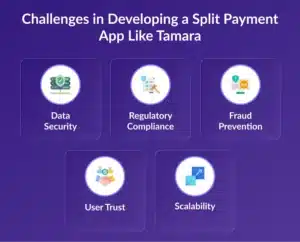
Challenges in Developing a Split Payment App Like Tamara
Building a split payment platform like Tamara comes with several technical and business challenges.
1. Data Security
Fintech apps store sensitive financial and personal information. Strong encryption, secure APIs, and authentication systems are necessary to protect users from data breaches and cyber threats.
2. Regulatory Compliance
Financial regulations differ across countries. Businesses developing BNPL apps in the UAE or Saudi Arabia must follow rules related to KYC, AML, PCI DSS, and data privacy compliance.
3. Fraud Prevention
Split payment apps must identify suspicious transactions and prevent fraud in real time. AI-powered fraud detection systems help reduce payment risks and unauthorized activities.
4. User Trust
Users only trust apps that offer secure, fast, and transparent payment experiences. Payment delays, errors, or security issues can quickly affect customer confidence.
5. Scalability
As the platform grows, it must handle thousands of transactions smoothly. A scalable backend infrastructure helps maintain app speed and performance during high traffic periods.
Working with an experienced fintech app development company can help businesses manage these challenges more effectively.
Conclusion
The demand for BNPL and split payment solutions is growing rapidly worldwide. Apps like Tamara have changed how people shop, pay, and manage shared expenses.
If you want to develop split payment app like Tamara, you need:
- Strong market research
- Secure payment systems
- Simple user experience
- Regulatory compliance
- Reliable technology stack
The development process may look complex, but with proper planning and the right fintech app development services partner, you can successfully launch a scalable and profitable payment platform.
As digital payments continue growing across Saudi Arabia, the UAE, and other global markets, now is the perfect time to build split payment app like Tamara and enter the booming fintech industry.
FAQs
1. How long does it take to create an app like Tamara?
The time required to develop an app like Tamara usually depends on the app’s complexity and features. A basic MVP with essential payment and BNPL features may take around 3 to 6 months, while a fully advanced platform with integrations, security systems, and custom functionalities can take 9 to 12 months or more.
2. Is BNPL app development profitable?
Yes, BNPL app development can be highly profitable because businesses earn revenue through merchant fees, partnerships, premium services, and late payment charges. As digital payments and online shopping continue growing globally, the demand for flexible payment solutions is also increasing rapidly.
3. Which platform is better for fintech apps: Android or iOS?
Both Android and iOS are important for fintech applications because users are active on both platforms. Many businesses prefer cross-platform app development using Flutter or React Native, as it helps launch the app on both platforms faster while reducing development costs.
4. Why is security important in split payment apps?
Split payment apps manage sensitive financial information such as bank details, payment history, and personal user data. Strong security systems help protect users from fraud, hacking attempts, data breaches, and unauthorized transactions, which is essential for maintaining customer trust.
5. Can startups build a split payment app like Tamara?
Yes, startups can successfully develop split payment app like Tamara by starting with a basic MVP version. This approach allows businesses to launch faster, test the market, gather user feedback, and gradually add advanced features without making a huge initial investment.
6. What is the biggest challenge in BNPL app development?
One of the biggest challenges in BNPL app development is balancing security, compliance, and user experience together. Businesses must follow financial regulations while ensuring that payments, instalments, and transactions work smoothly without delays or technical issues.
7. Do I need a fintech license to operate a BNPL app?
In many countries, businesses need financial licenses or partnerships with banks and payment providers to operate BNPL services legally. Regulatory requirements may vary depending on the country, so it is important to understand local fintech laws before launching the platform.