

Have you ever waited in long lines to book a bus ticket? Those days are now gone. People prefer fast, easy, and secure online booking solutions that work directly from their smartphones. This rising demand is increasing the popularity of Bus Ticket Booking App Development worldwide.
Apps like redBus and MakeMyTrip have already changed the transportation industry by making bus ticket booking simple and convenient. Users can compare routes, select seats, make payments, and track buses in real time within a few minutes.
For businesses and startups, investing in a bus booking platform is a smart opportunity. The online bus ticketing market is growing rapidly, and companies are using technologies like AI integration, GPS tracking, and automation to improve customer experience and increase profits.
In this complete guide, you will learn everything about how to develop a Bus Ticket Booking App, important features, development steps, market trends, and the estimated Bus Ticket Booking App development Cost.
What is a Bus Ticket Booking App?
A bus ticket booking app is a mobile or web application that allows users to search, compare, book, and manage bus tickets online. These apps connect customers with multiple bus operators and provide details about routes, timings, seat availability, pricing, and amenities.
Users can:
- Search buses by source and destination
- Compare ticket prices
- Choose preferred seats
- Make secure online payments
- Get digital tickets instantly
- Track buses in real time
Modern apps also use AI integration to recommend routes, predict travel delays, and personalize offers for users.
Businesses often hire an experienced AI Development company in USA or app development team to create advanced and scalable booking platforms.
Bus Ticket Booking Market Overview
The online bus ticket booking market is growing very fast because more people now prefer digital travel solutions.
Important Market Statistics
- The Online Bus Ticketing Service Market is expected to grow from USD 7.32 billion in 2025 to USD 8.57 billion in 2026.
- The market is projected to grow at a strong CAGR of 18.52% through 2032 due to increasing digital adoption and smart transportation solutions.
- The global intercity bus travel market is estimated at USD 21.81 billion in 2026, growing from USD 20.43 billion in 2025.
- The intercity bus travel industry is expected to reach USD 30.19 billion by 2031, growing at a CAGR of 6.74% between 2026 and 2031.
- Economy and standard buses held around 80.65% market share in 2025, while premium and luxury buses are expected to grow at a 9.89% CAGR through 2031.
- Offline ticket booking channels still accounted for 52.68% market share in 2025, but online booking platforms and OTAs are projected to grow at the highest 10.38% CAGR by 2031.
- Asia-Pacific dominated the market with 32.25% revenue share in 2025, while Europe is expected to witness the fastest growth at a 9.73% CAGR during the forecast period.
- Major companies like FlixBus, Greyhound, National Express, ALSA, and BlaBlaCar Bus are leading the market with strong digital platforms and large transportation networks.
These numbers clearly show that investing in AI App Development and bus reservation platforms can become highly profitable in the coming years.
How Does Bus Ticket Booking App Work?
A bus ticket booking app works in a simple and user-friendly way that allows travelers to book tickets quickly from their smartphones. Users first create an account using their email ID, mobile number, password, or social login options like Google and Facebook. After logging in, they enter travel details such as pickup location, destination, and travel date to search for available buses.
The app then displays a list of buses along with timings, ticket prices, seat availability, bus type, and ratings. Once users select a bus, they can choose their preferred seats and boarding or drop-off points through an easy seat selection system. After confirming the booking, users make secure payments using options like UPI, debit cards, credit cards, wallets, or net banking.
Once the payment is successful, the app instantly generates an e-ticket and sends booking confirmation notifications. Many modern apps also provide live GPS tracking, departure reminders, and delay alerts to improve travel convenience. Users can also cancel or reschedule tickets, request refunds, and contact customer support whenever needed.
Step-by-Step Guide to Develop a Bus Ticket Booking App?
Building a successful bus ticket booking platform requires proper planning, the right technology, and a user-friendly design. Businesses must focus on customer needs, app performance, security, and future scalability during the development process.
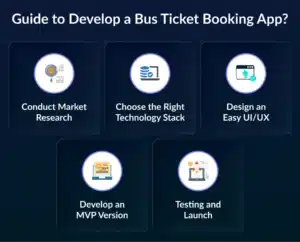
1. Conduct Market Research
The first step in bus ticket booking app development is understanding the market and target audience. Businesses should research competitor apps, customer travel behavior, booking trends, and common user problems. This helps identify market gaps and opportunities to create a better solution.
Studying popular apps like redBus and AbhiBus can provide useful insights about features, pricing, and customer expectations. Proper market research also helps businesses decide whether to target local, regional, or nationwide transportation services.
2. Choose the Right Technology Stack
Selecting the right technology stack is very important for app speed, security, and scalability. Frontend technologies like React Native, Flutter, Swift, and Kotlin help create smooth mobile experiences for Android and iOS users. For backend development, technologies like Node.js, Python, Django, and Ruby on Rails are widely used.
Businesses should also choose reliable databases such as MongoDB, PostgreSQL, or MySQL for managing booking data. Third-party integrations like payment gateways, GPS APIs, SMS services, and push notifications improve app functionality. Many companies now also use AI integration for smart route suggestions, chatbots, dynamic pricing, and fraud detection systems.
3. Design an Easy UI/UX
A clean and simple UI/UX design helps users navigate the app easily and complete bookings quickly. The app interface should include fast search options, easy seat selection, smooth payment flow, and clear navigation menus. A responsive design also ensures the app works properly on different devices and screen sizes.
Good design improves user satisfaction and increases customer retention. Features like dark mode, quick booking options, and simple layouts make the overall booking experience more convenient and user-friendly.
4. Develop an MVP Version
Instead of building a fully advanced app in the beginning, businesses should first launch an MVP (Minimum Viable Product). An MVP includes only the essential features such as user registration, bus search, seat booking, payment integration, and e-ticket generation.
Launching an MVP helps businesses test the app in the real market and collect valuable user feedback. It also reduces development risks, lowers initial investment costs, and helps developers improve the app based on customer requirements before adding advanced features.
5. Testing and Launch
Before launching the app, thorough testing is necessary to ensure smooth performance and security. Developers should test the app for bugs, payment issues, security problems, loading speed, and device compatibility. Beta testing with real users can also help identify areas that need improvement.
After successful testing, businesses can launch the app on Android and iOS platforms. Post-launch activities like digital marketing, social media promotion, regular updates, and customer feedback collection are important for long-term app success and growth.
Key Features To Include in Bus Ticket Booking App Development
Adding the right features is very important for the success of any bus booking platform. A modern app should provide a smooth, secure, and user-friendly experience that makes ticket booking fast and convenient. Below are some essential features every ticket booking app development project should include.
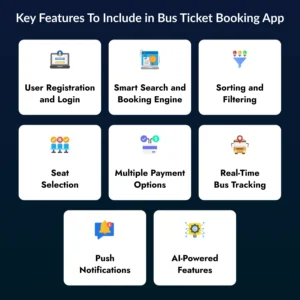
1. User Registration and Login
A simple registration process helps users quickly access the app and manage their bookings easily. Users should be able to sign up using mobile numbers, email addresses, or social media accounts like Google and Facebook. Fast login options improve convenience and save users time.
2. Smart Search and Booking Engine
The search and booking system should help users find buses quickly based on routes, travel dates, timings, bus type, and ticket prices. A fast and accurate search engine improves user experience and helps customers complete bookings without confusion.
3. Sorting and Filtering
Sorting and filtering options allow users to find the most suitable buses easily. Customers should be able to filter results based on price, departure time, AC or non-AC buses, sleeper or seater options, and ratings. This feature saves time and improves booking convenience.
4. Seat Selection
An interactive seat selection system allows users to choose their preferred seats before booking. The app should clearly display available seats, booked seats, female-only seats, and window seats using color-coded seat maps. This feature improves customer satisfaction and booking transparency.
5. Multiple Payment Options
Secure and flexible payment options are essential for every booking app. Users should be able to pay using UPI, debit cards, credit cards, digital wallets, and net banking. Safe payment gateways help build trust and provide a smooth transaction experience.
6. Real-Time Bus Tracking
GPS-enabled live tracking allows users to check the real-time location of buses and estimated arrival times. This feature reduces waiting time and keeps travelers updated throughout the journey. Real-time tracking also improves overall customer experience.
7. Push Notifications
Push notifications help users stay informed about important travel updates. The app can send booking confirmations, trip reminders, bus delay alerts, offers, and discount notifications directly to users’ smartphones. This feature increases engagement and improves communication.
8. AI-Powered Features
Modern bus booking platforms now use AI integration to improve performance and customer experience. AI-powered features like smart travel recommendations, AI chatbots, dynamic pricing, personalized suggestions, and fraud detection systems make the app more intelligent and efficient.
This is where AI App Development plays an important role in helping transportation businesses provide smarter and more advanced digital solutions.
Best 5 Bus Ticket Booking Apps in the Market
Here are some of the top bus booking applications available today.
| App Name | Platform | Downloads | Ratings |
| redBus | Android, iOS | 50M+ | 4.6 |
| MakeMyTrip | Android, iOS | 100M+ | 4.6 |
| AbhiBus | Android, iOS | 10M+ | 4.8 |
| Swvl | Android, iOS | 10M+ | 3.8 |
| FlixBus | Android, iOS | 10M+ | 4.5 |
These apps have become successful because of:
- Easy booking process
- Secure payments
- Real-time tracking
- Strong customer support
- Smooth UI/UX
The Success Journey of RedBus: How It Became a Household Name
RedBus started its journey in 2006 when three engineers faced difficulty booking bus tickets during holiday travel. They identified a common problem in the transportation industry and decided to create an online platform that could simplify bus ticket booking for everyone.
The company focused on providing an easy-to-use website and mobile app where users could compare routes, ticket prices, timings, and seat availability in one place. By partnering with multiple bus operators, RedBus quickly expanded across India and later entered international markets.
Features like secure payments, real-time bus tracking, instant refunds, customer reviews, and 24/7 support helped build trust among travelers. Today, RedBus has millions of active users and is considered one of the most successful examples of Bus Ticket Booking App Development in the transportation industry.
If businesses want to Build Bus Ticket Booking App solutions like RedBus, the average development cost can range between $10,000 to $20,000, depending on features and app complexity.
Cost To Build A Bus Ticket Booking App?
The ticket booking app development cost usually ranges between $8,000 to $25,000 or more, based on the app’s size, features, design, technology stack, and development team location.
The total cost to create a bus ticket booking app solution also depends on the development timeline and platform selection.
| App Size | Estimated Cost | Development Time |
| Simple Bus Booking App | $8,000 – $13,000 | 2 – 3 Months |
| Medium Bus Booking App | $14,000 – $20,000 | 4 – 5 Months |
| Complex Bus Booking App | $25,000+ | 8+ Months |
Major Factors Affecting the Cost To Develop a Bus Ticket Booking App
Several factors can increase or decrease the overall cost to develop bus ticket booking app solutions. Understanding these factors helps businesses plan their budget properly.
1. App Size and Complexity
The app size directly affects the development cost. A basic app with limited features costs less, while a complex application with advanced functionalities requires more development time and resources.
| App Complexity | Estimated Cost |
| Basic App | $8,000 – $13,000 |
| Medium App | $14,000 – $20,000 |
| Advanced App | $25,000+ |
2. Features and Functionalities
The number of features added during bus ticket booking app development greatly impacts the total budget. Basic features like login, search, and payments are affordable, but advanced features like AI recommendations and live tracking increase development complexity.
| Feature | Estimated Cost |
| User Registration/Login | $500 – $1,000 |
| Bus Search & Filtering | $1,000 – $2,000 |
| Seat Selection | $800 – $1,500 |
| Booking & Payment | $1,500 – $3,000 |
| Ticket Management | $1,000 – $2,000 |
| Reporting & Analytics | $1,500 – $2,000 |
3. Platform Choice
The platform you choose also affects the total budget. Native Android and iOS apps cost more because separate development is required for each platform. Cross-platform development is often more affordable and faster.
| Platform | Estimated Cost |
| Native iOS App | $12,000 – $21,000+ |
| Native Android App | $10,000 – $20,000+ |
| Cross-Platform App | $8,000 – $18,000+ |
| Hybrid App | $15,000 – $30,000+ |
4. Development Team Location
Hiring developers from different countries changes the project cost significantly. Companies in North America and Europe generally charge higher rates compared to development teams in India.
| Region | Estimated Cost |
| North America | $50,000 – $150,000+ |
| Western Europe | $40,000 – $120,000+ |
| Eastern Europe | $30,000 – $90,000+ |
| India | $8,000 – $25,000+ |
| Australia | $50,000 – $140,000+ |
Many businesses hire an experienced AI Development company in USA for advanced projects that require strong scalability.
5. App Maintenance
App maintenance is important to keep the application secure, updated, and bug-free after launch. Maintenance includes server hosting, feature updates, security improvements, and third-party API management.
| Maintenance Service | Estimated Cost |
| Feature Enhancements | $1,000 – $1,500 |
| Third-Party Integrations | $1,500 – $2,000 |
| Server Hosting | $800 – $1,500 |
How To Monetize Your Bus Booking App?
After you develop bus ticket App solutions, the next step is generating revenue from the platform. Several monetization methods can help businesses earn long-term profits.
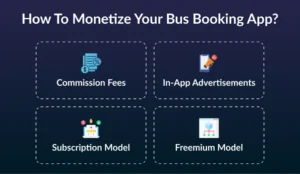
1. Commission Fees
Charging commission fees on every successful booking is one of the most common monetization methods. The app owner receives a small percentage from each ticket booked through the platform. Many successful apps charge around 10 – 20% commission, while new businesses may keep lower commission rates to attract bus operators.
2. In-App Advertisements
Businesses can earn revenue by displaying advertisements within the app. Bus operators, travel companies, hotels, and local businesses can pay to promote their services through banner ads, sponsored listings, or video advertisements.
3. Subscription Model
A subscription model allows users or bus operators to pay a fixed monthly or yearly fee for premium services. Premium plans can include priority booking, exclusive discounts, cashback offers, and better visibility for bus operators.
4. Freemium Model
The freemium model offers basic booking services for free while charging users for advanced features. Businesses can charge extra for premium seat selection, luggage insurance, faster refunds, or priority customer support.
Ready To Build a Bus Ticket Booking App?
The online transportation industry is growing rapidly, and investing in bus ticket booking app development can become a profitable business opportunity. Travelers now prefer fast, secure, and digital booking experiences that save time and improve convenience.
However, to successfully develop bus ticket booking app solutions, businesses need the right development strategy, modern technology stack, and scalable architecture. Partnering with a trusted Mobile App Development Company can help businesses build high-performing booking platforms with advanced features and AI integration capabilities.
Whether you want to launch a startup or expand your transportation business, now is the perfect time to build ticket booking app solutions for modern travelers.
Conclusion
The demand for digital transportation services is increasing every year, making bus ticket booking app development a valuable investment for startups and enterprises. A successful bus booking platform should provide easy navigation, secure payments, live tracking, fast booking, and excellent customer support.
Modern technologies like AI app development and smart automation are helping businesses create more advanced and personalized booking experiences. By choosing the right features, technology stack, and monetization strategy, businesses can successfully develop bus ticket booking app platforms that generate strong revenue and customer engagement.
FAQs
Q1. Why are bus ticket booking apps becoming popular?
Bus booking apps save time and allow users to compare routes, prices, and seats from their smartphones easily.
Q2. Can I add AI features to a bus booking app?
Yes, businesses can add AI-powered features like smart route suggestions, chatbots, dynamic pricing, and personalized recommendations.
Q3. Which platform is better for launching a bus booking app?
Cross-platform development is often preferred because it helps launch the app on both Android and iOS with lower development costs.
Q4. Is GPS tracking important in a bus ticket booking app?
Yes, real-time GPS tracking improves customer experience by showing live bus location and estimated arrival time.
Q5. How do bus booking apps earn revenue?
Bus booking apps mainly earn through commission fees, advertisements, subscription plans, and premium booking features.
Q6. What payment methods should a bus booking app support?
A bus booking app should support UPI, debit cards, credit cards, wallets, and net banking for secure and smooth transactions.
Q7. Why is UI/UX important for bus booking applications?
A simple and user-friendly design helps customers search buses, select seats, and complete bookings quickly without confusion.
Q8. Can startups invest in Bus Ticket Booking App Development?
Yes, startups can begin with an MVP version and later add advanced features as their user base grows.
Q9. How does AI integration improve bus booking apps?
AI integration helps improve customer support, travel recommendations, fraud detection, and user engagement.
Q10. Why should businesses hire a Mobile App Development Company?
An experienced Mobile App Development Company can help build scalable, secure, and feature-rich booking applications efficiently.