


Projects Completed
Happy Clients
Delivery Rate
Communication
Apps Downloads
Years of Growth
 By
Developer Bazaar Technologies
By
Developer Bazaar Technologies
Did you know that businesses these days adopt Speech Recognition systems in their projects?
And Why Not?
Speech is the most natural way to communicate. With the help of deep learning technology, developing speech recognition systems has become more easier and reliable as well.
These systems can process audio, understand spoken language, and perform tasks based on voice commands.
In this guide for 2026 and beyond, we’ll learn about what is speech recognition and how it works. Also, we can explore how it is different from voice recognition, and why your business should invest to develop speech recognition system.
A method that translates spoken words into written text is called speech recognition, or speech-to-text. As compared with traditional user interfaces, speech recognition provides a more genuine way of interacting with machines. The benefits simple and clear human-computer communication.
Complex algorithms and machine-learning models that process audio in real time are at the core of this technology.
These systems are designed to handle:
By analyzing these nuances, speech recognition can transcribe words accurately or execute commands based on recognized speech. This innovation is widely used for tasks such as transcribing voicemails, enabling hands-free typing, and providing voice-command capabilities.
Speech recognition technology is changing our daily lives, allowing everything from virtual assistants to transcription tools. It’s no surprise the market is expanding.
According to Statista, the speech recognition industry will grow to reach $8.58 billion by 2026, increasing at an impressive 13.09% annual rate through 2030. The market will reach $15.87 billion by the end of the century.
The United States is leading the way globally, with the greatest market size expected to reach $2.29 billion by 2026.
The increasing use of voice technology in sectors like healthcare, customer service, and the automobile industry is the factor that is causing this increase.
The growth is currently caused by several factors:
The speech recognition market is expected to evolve with:
In the following section, we’ll go over how to build your own voice recognition system and enter this growing sector.
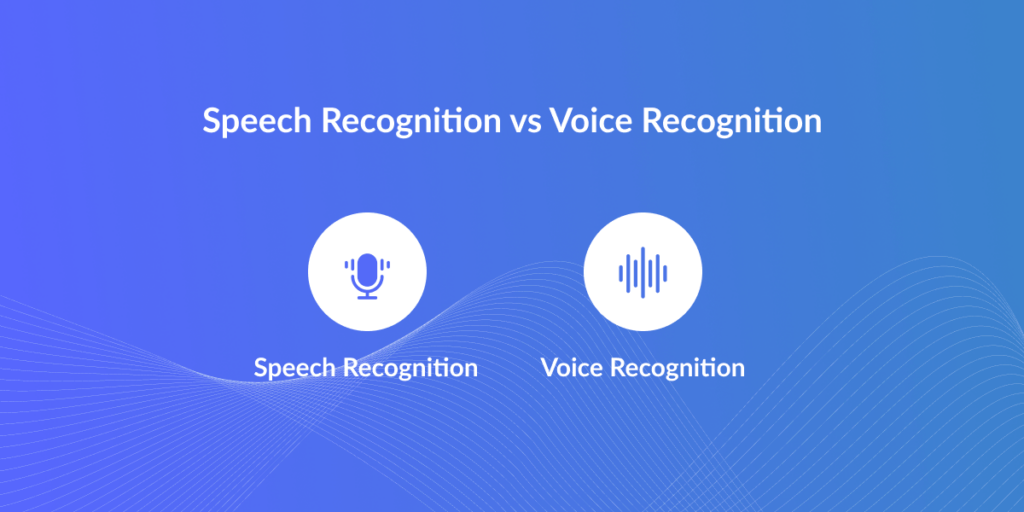
Although speech recognition and voice recognition are frequently used together, both have different purposes
This focuses on understanding and transcribing what is spoken, regardless of who is speaking.
Common applications include:
Voice recognition, or voiceprint recognition, focuses on identifying who is speaking by analyzing vocal patterns. It’s often used for:
In short, speech recognition is about understanding the words, while voice recognition is about identifying the speaker.
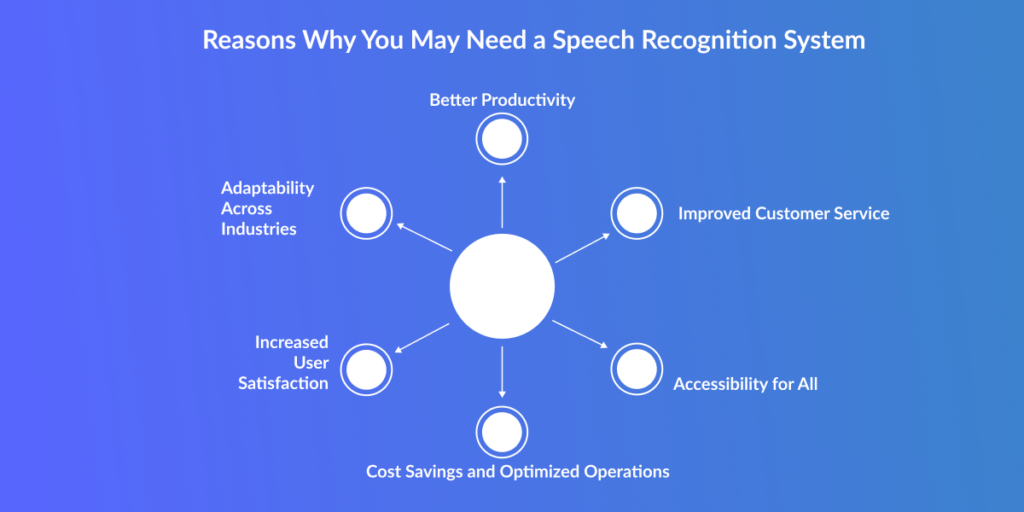
Systems for speech recognition are adaptable tools that help companies in any sector.
Consider creating one for the following reasons:
Speech recognition simplifies documentation by turning spoken words into text, hence reducing the need for manual entry. Professionals in fields such as healthcare and law can focus on their profession while the system manages the paperwork.
In customer support, speech recognition automates call transcription, freeing agents to solve problems instead of taking notes. Virtual assistants can also use this technology to handle routine queries, reducing response times.
Speech recognition makes technology more inclusive. People with disabilities can navigate software and devices hands-free, opening doors to greater flexibility and broader user reach.
Automation reduces labor costs, decreases human error, and speeds up procedures. These efficiencies reduce costs while improving operations.
Voice-driven systems offer convenience and personalization, whether it’s hands-free work for employees or quick resolutions for customers. These features create a better user experience.
Speech recognition can be modified to satisfy the specific needs of many businesses, such as dictating patient notes in healthcare or voice-assisted buying in retail.
Businesses that invest in a strong voice recognition system can achieve new levels of efficiency, accessibility, and satisfaction with users.
The Automatic Speech Recognition (ASR) technology powers speech recognition applications. They turn spoken words into text by analyzing sound waves, detecting words, and applying grammatical rules.
This process involves two key components:
For example, when you say “set a reminder,” the app interprets your voice, processes it, and provides a system response like scheduling an event.
This simple interaction forms the backbone of voice-driven tools like virtual assistants, customer support bots, or hands-free device control.
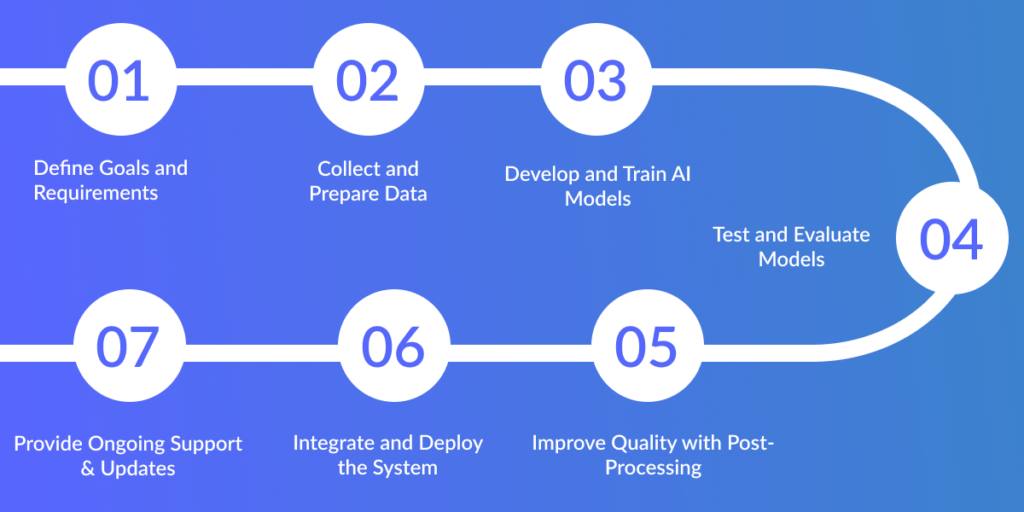
Developing a Speech Recognition System requires careful planning, strong data handling, and effective deployment.
The following are simple steps:
Start by outlining the purpose of your system. Will it assist users with voice commands or act as a virtual assistant?
Define features, calculate budgets, and plan timelines to align with your objectives.
Data is the core element of a Speech Recognition System. Gather diverse audio samples across accents, genders, and ages. Use public datasets or create your own for specific use cases.
Make sure the quality of data is with preprocessing techniques like noise reduction and audio formatting.
Use Acoustic Models for understanding sounds and Language Models for context.
Train the system using deep learning techniques like Transformers, RNNs, or CNNs for accurate transcriptions.
Measure system accuracy using metrics like Word Error Rate (WER).
Test with real-world conditions including accents, background noise, and diverse speech styles to improve system reliability.
Refine transcriptions with noise filters, text normalization, and domain-specific vocabulary. These enhancements ensure clearer and more reliable results.
Simply integrate the speech recognition model into your platform using APIs.
Optimize performance for scalability and implement security measures to protect data privacy.
Regularly monitor, update, and retrain models to adapt to new accents, slang, or technical needs. User feedback can help identify and implement improvements over time.
The cost to build a Speech Recognition System varies based on complexity and features.
| System Type | Estimated Cost | Development Time | Key Features |
|---|---|---|---|
| Simple System (MVP) | $10,000 to $30,000 | 1-3 months | Basic functionality, minimal features, quick launch |
| Medium Complexity | $30,000 to $60,000 | 3-6 months | Enhanced features, improved accuracy, broader scope |
| Advanced System | $100,000+ | 6+ months | High complexity, advanced AI models, extensive datasets |
To simplify the development process, consider partnering with a speech recognition software development Services provider. They bring expertise to manage costs and deliver tailored solutions.
Speech recognition technology is everywhere, increasing the interaction with devices, services, and systems.
If you plan to develop a speech recognition system, understanding its real-world applications will inspire your beginning.
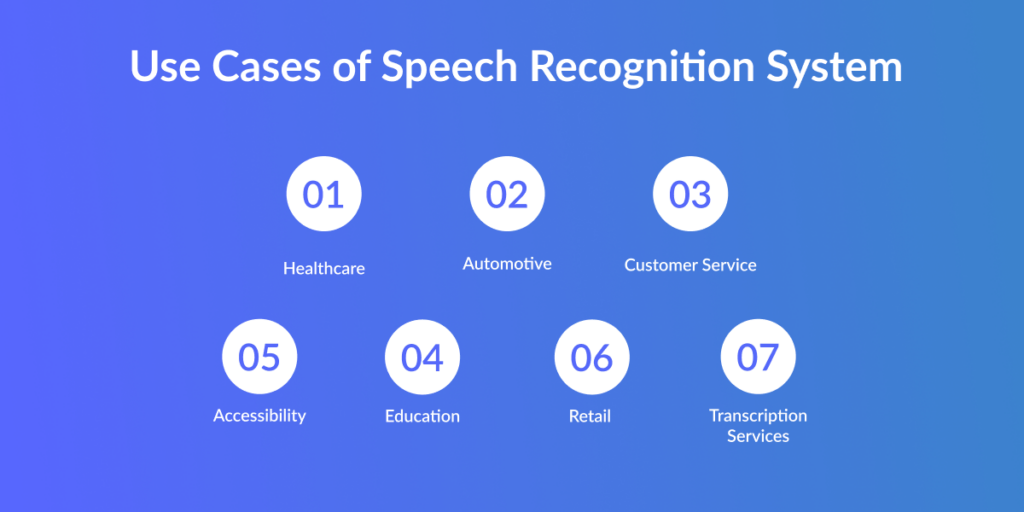
Some impactful use cases in various industries:
AI-powered speech-to-text tools, like Nuance’s Dragon Medical One, enable doctors to dictate patient notes directly into EHRs. This speech recognition system development solution reduces paperwork, giving medical professionals more time for patient care.
Automakers such as Tesla and BMW have integrated voice controls to make driving safer and more convenient. From setting navigation routes to adjusting climate settings, these systems ensure hands-free vehicle management.
Companies such as Bank of America utilize voice assistants like Erica to improve customer service. These systems streamline tasks such as account inquiries and bill payments, improving efficiency and user experience.
Speech recognition empowers users with disabilities. Tools like Google’s Voice Access and Microsoft Speech Recognition allow hands-free device navigation, promoting independence for individuals with motor impairments.
Language learning apps such as Duolingo utilize speech recognition to help users practice pronunciation. Real-time feedback improves language retention and makes learning engaging.
Retailers like Starbucks have embraced voice-enabled ordering. Customers can place their coffee orders using smart speakers or mobile apps, making the experience seamless and quick.
Platforms like Otter.ai and Rev use Artificial Intelligence speech-to-text technology to transcribe meetings, interviews, and lectures. These solutions enhance productivity and ensure accurate documentation.
From healthcare to retail, speech recognition system development is transforming industries by improving accessibility, boosting efficiency, and enhancing user experiences.
As we enter 2026, speech recognition system development services are at the top of innovation. Whether it’s enabling hands-free controls, enhancing accessibility, or revolutionizing customer service, the possibilities are limitless.
If you’re considering developing a speech recognition system, this is the right time to bring your project ideas into real life with the right speech recognition system development solution.
A: The cost of developing a speech recognition system differs significantly, beginning at $30,000 for basic features and to $100,000+ for complex systems.
A: Healthcare, automotive, education, retail, and customer service are among the industries that use voice recognition to increase efficiency and user experience.
A: A speech recognition system can take 6 to 9 months to build, according to its complexity, features, and special requirements.
A: AI, machine learning, natural language processing (NLP), and automatic speech recognition (ASR) are critical technologies for developing reliable and credible systems.
A: Yes! Many providers provide tailored speech recognition system development services to meet the business and its project and industry-specific requirements.
Co-Founder
Developer Bazaar technologies

Key Takeaways: The cost to develop an AI app typically ranges from $10,000 to $500,000+, depending on app complexity, AI features, integrations, security requirements, and the development team. Choosing pre-trained AI models instead of building custom...
Key Takeaways: The cost to develop an AI app typically ranges from $10,000 to $500,000+, depending on app complexity, AI features, integrations, security requirements, ...
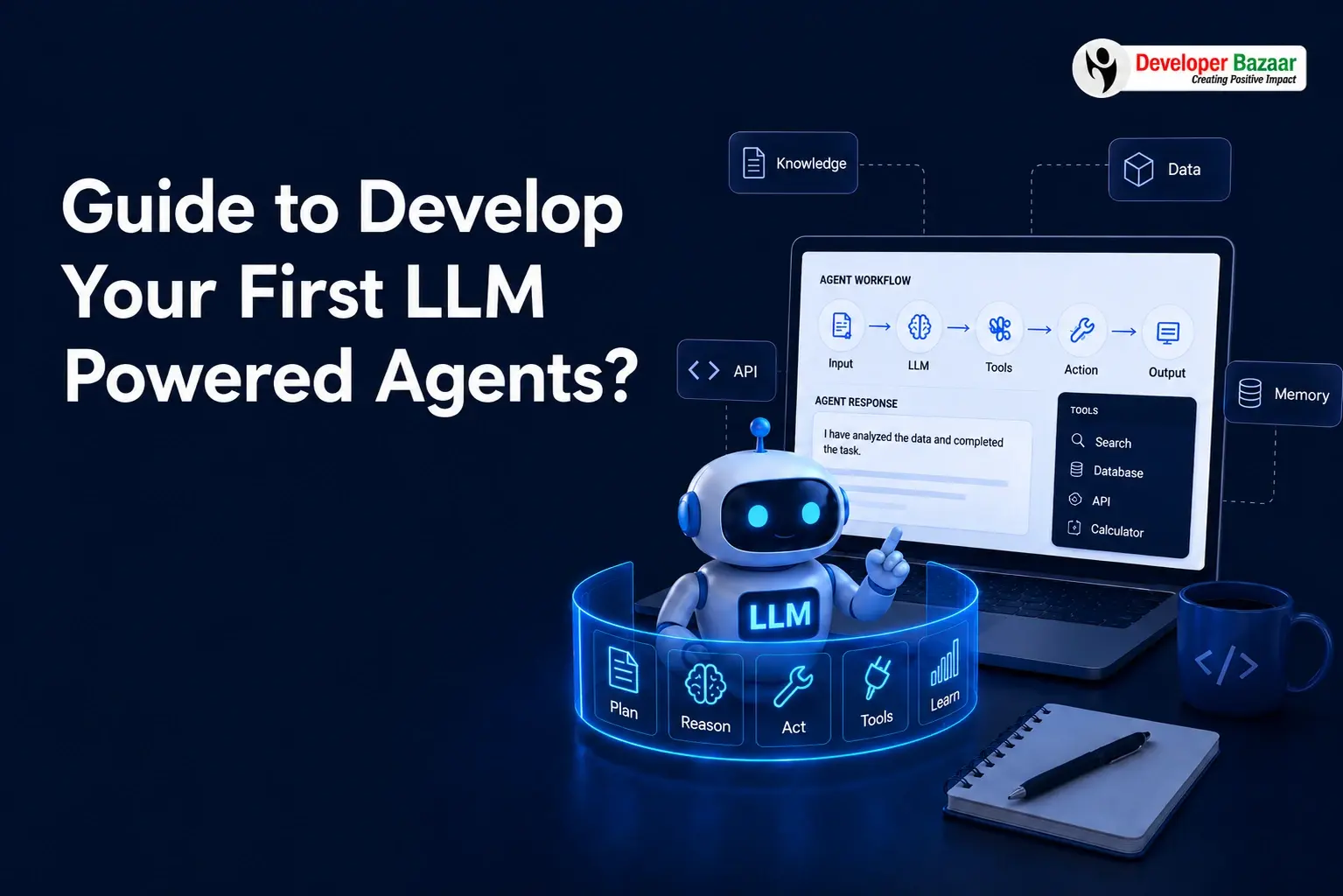
Key Takeaways: Building an LLM agent is easier when you start with one well-defined task instead of trying to automate everything at once. Most businesses can build powerful AI agents using pre-trained LLMs without training a...
Key Takeaways: Building an LLM agent is easier when you start with one well-defined task instead of trying to automate everything at once. Most ...
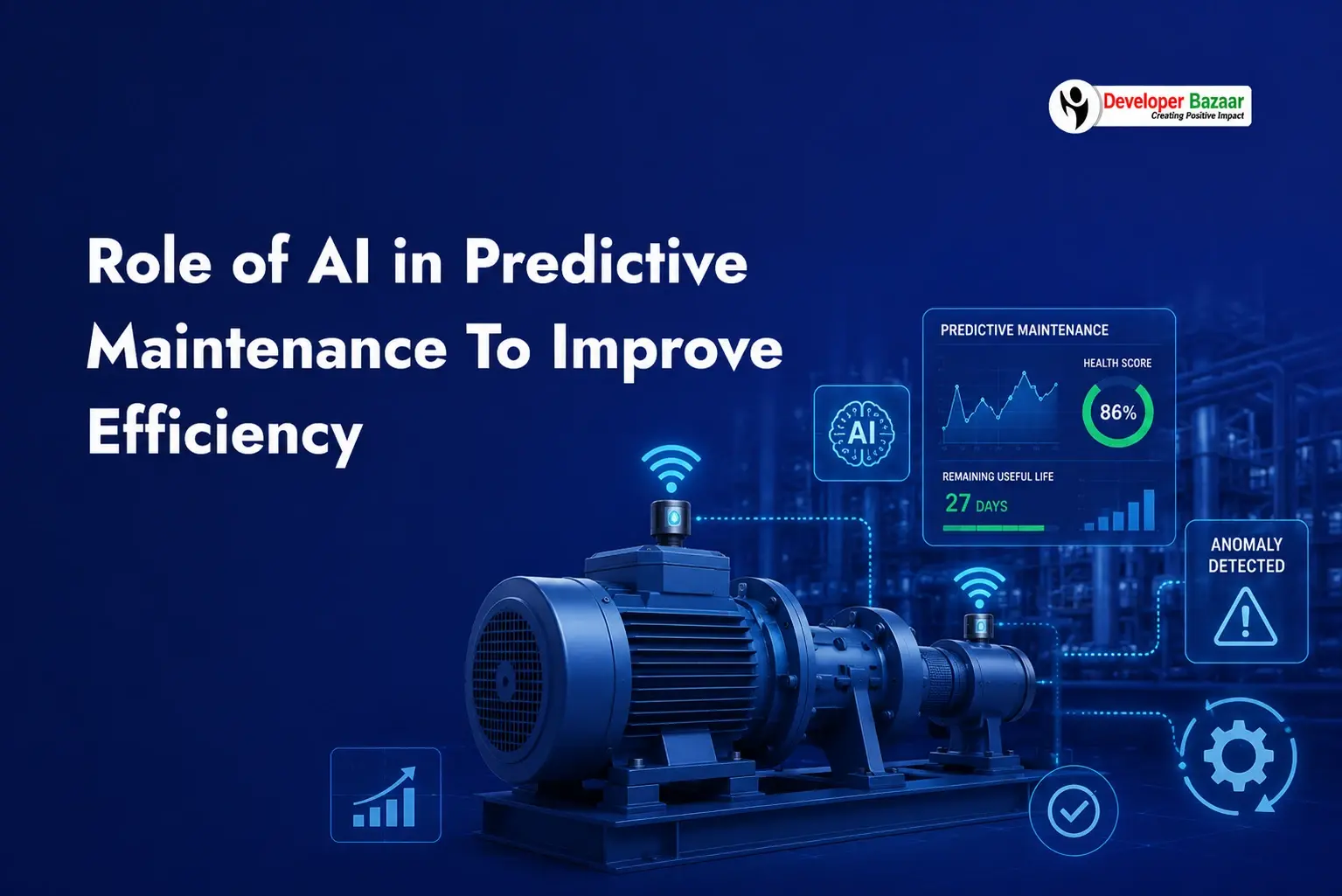
Key Takeaways: AI predictive maintenance prevents equipment failures before they happen by analyzing real-time sensor data and identifying early warning signs. Predictive maintenance with AI is more efficient than reactive or preventive maintenance, helping businesses reduce...
Key Takeaways: AI predictive maintenance prevents equipment failures before they happen by analyzing real-time sensor data and identifying early warning signs. Predictive maintenance with ...
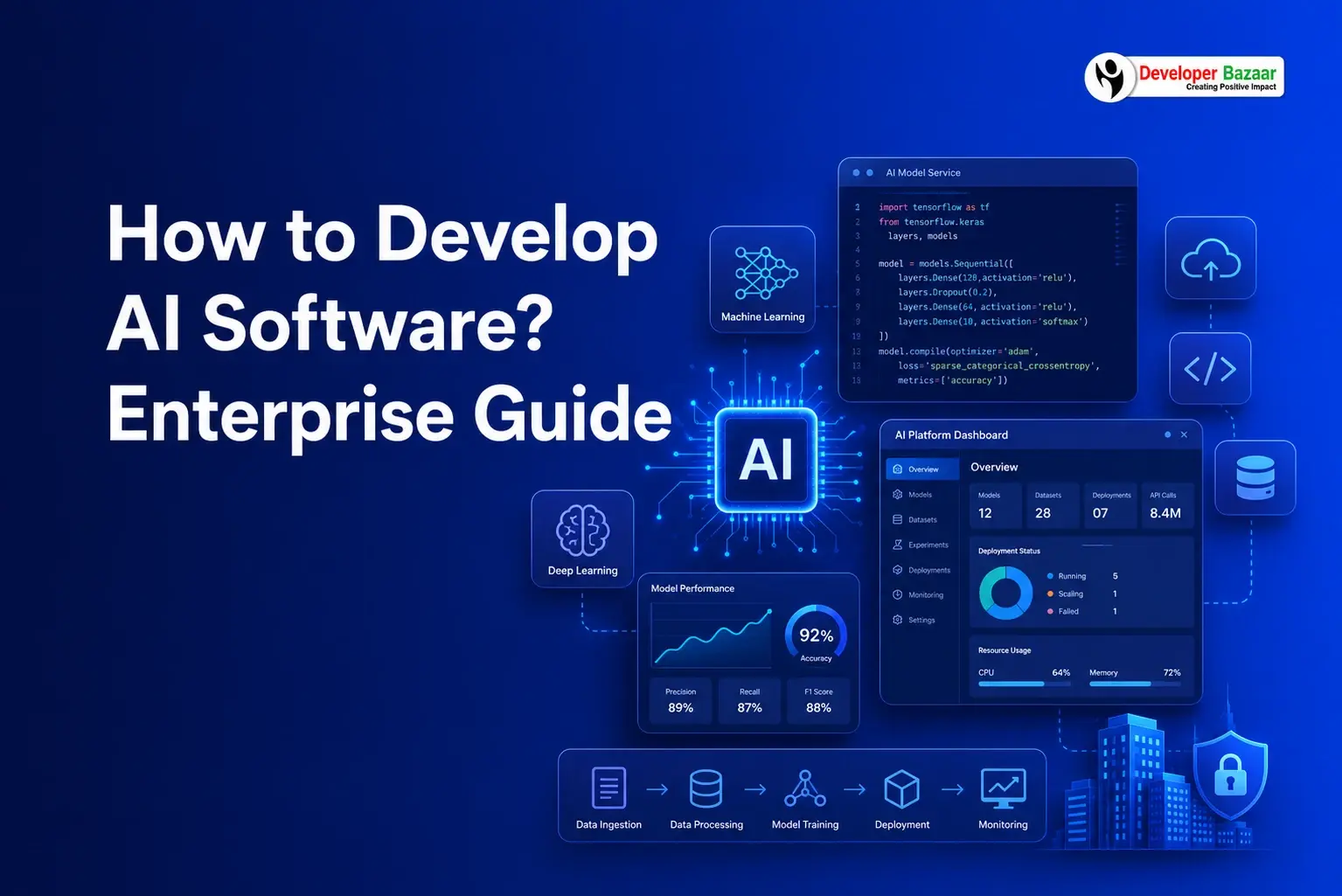
Key Takeaways: AI software delivers long-term business value by improving decision-making, automation, customer experiences, and operational efficiency. Successful AI projects require more than coding, they depend on quality data, the right AI model, seamless integration, and...
Key Takeaways: AI software delivers long-term business value by improving decision-making, automation, customer experiences, and operational efficiency. Successful AI projects require more than coding, ...
Key Takeaways: AI agents go beyond traditional automation by reasoning, planning, and executing multi-step healthcare workflows with minimal human intervention. Agentic AI delivers value across the healthcare ecosystem, from clinical documentation and medical imaging to patient...
Key Takeaways: AI agents go beyond traditional automation by reasoning, planning, and executing multi-step healthcare workflows with minimal human intervention. Agentic AI delivers value ...
Key Takeaways: AI integration helps mobile apps deliver personalized experiences, automate repetitive tasks, improve customer support, and strengthen security. Businesses can start with pre-built AI APIs like OpenAI, Google AI, or AWS AI, making AI adoption...
Key Takeaways: AI integration helps mobile apps deliver personalized experiences, automate repetitive tasks, improve customer support, and strengthen security. Businesses can start with pre-built ...
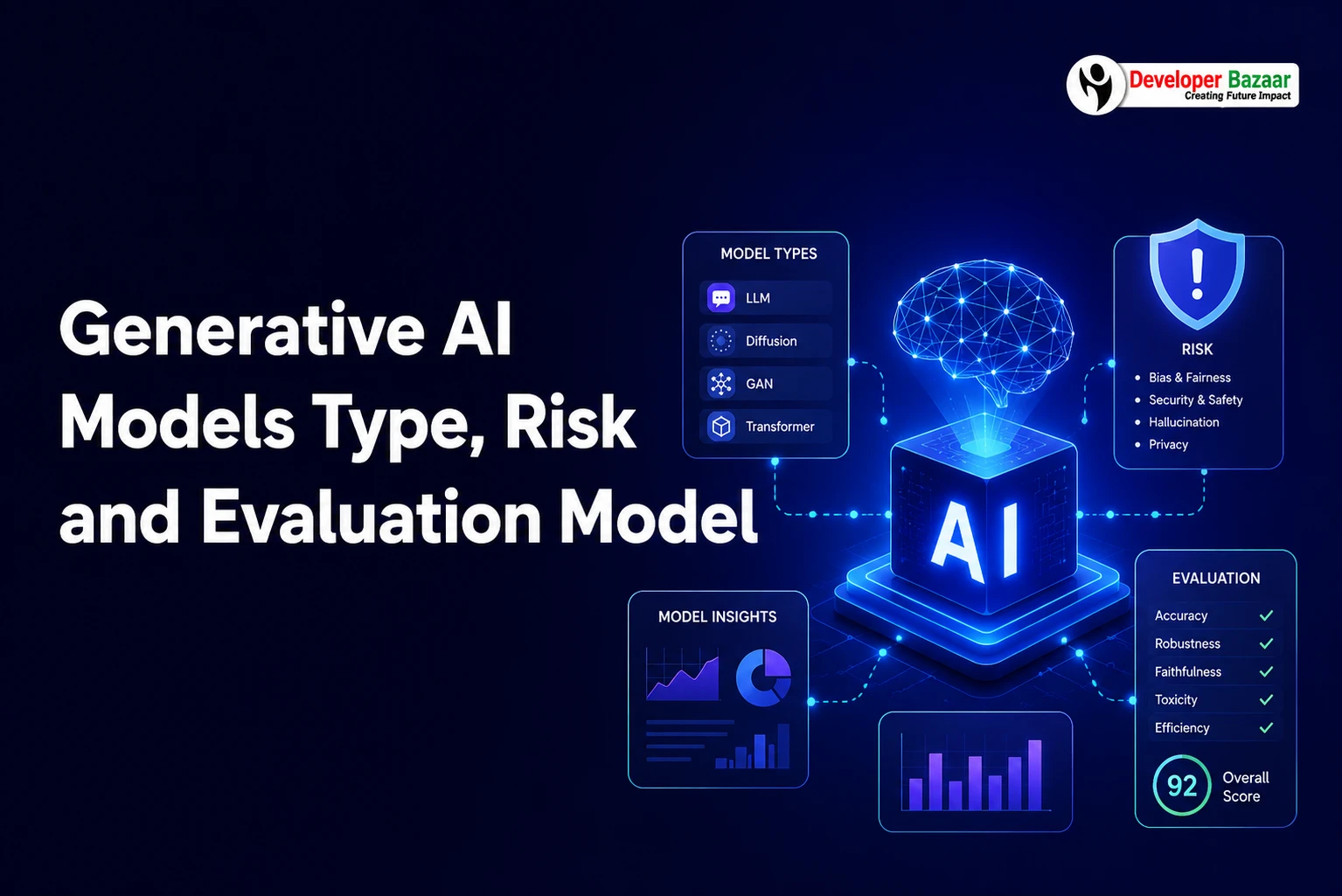
Key Takeaways: Generative AI Models create original text, images, code, audio, and video by learning patterns from massive datasets rather than copying existing content. Different model architectures, including GANs, VAEs, Transformers, Diffusion Models, Autoregressive Models, and...
Key Takeaways: Generative AI Models create original text, images, code, audio, and video by learning patterns from massive datasets rather than copying existing content. ...

This minimum viable product guide will help founders understand how to create a minimum viable product, validate ideas, reduce risk, and launch faster. Key Takeaways: Validate your startup idea before investing heavily in development to reduce...
This minimum viable product guide will help founders understand how to create a minimum viable product, validate ideas, reduce risk, and launch faster. Key ...
Key Takeaways: White-label mortgage CRM solutions provide a customizable platform that helps lenders simplify loan management and improve customer engagement. Essential features such as loan origination, document management, automation, compliance tracking, and customer communication enhance operational...
Key Takeaways: White-label mortgage CRM solutions provide a customizable platform that helps lenders simplify loan management and improve customer engagement. Essential features such as ...
Is your business still depending on old software systems that slow down growth and innovation? Many companies struggle with outdated applications that are costly, hard to maintain, and unable to meet modern customer expectations. The growing...
Is your business still depending on old software systems that slow down growth and innovation? Many companies struggle with outdated applications that are costly, ...

Complete the form below and validate your idea now.
✔ Your idea is 100% protected by our Non Disclosure Agreement.
