

Fashion photography is changing fast. Earlier, brands needed big studios, photographers, models and lots of time to create product images. Now, with an AI fashion model generator, brands can create high-quality photos in minutes.
Today, many companies want to build AI fashion model systems to speed up their business. These tools use artificial intelligence models for fashion to place clothes on virtual models that look real.
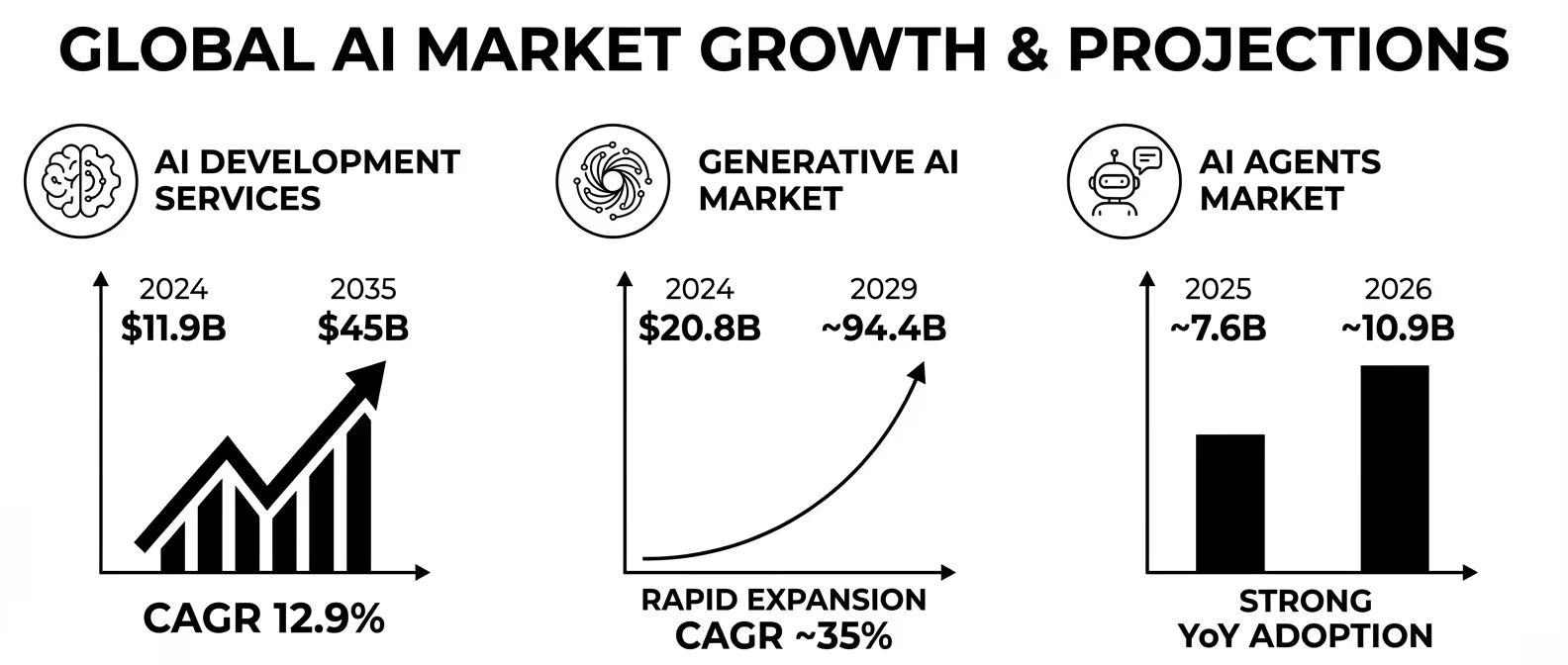
The market is growing quickly. In 2025, the AI fashion market reached $2.92 billion and is growing very fast every year. By 2026, around 40% of online clothing stores will use AI-generated images.
But here is the real challenge:
It is easy to create one good image.
It is hard to create 100 images that all look like they came from the same photoshoot.
This is why brands now focus on tools that help them create AI fashion model for e-commerce with consistent style and quality across their entire catalog.
How AI Models Reduce Photoshoot Costs by Up to 90%
Traditional fashion photoshoots take a lot of time, money, and effort. Brands need to manage many things like models, studios, and editing teams. With an AI fashion model for clothing, businesses can now create high-quality images faster and at a much lower cost. This helps brands save money, speed up product launches, and stay competitive.
Why Traditional Photoshoots Are Expensive?
Traditional photoshoots involve many costs, such as hiring models, paying photographers, renting studios, arranging travel, and editing images. Each step adds to the total expense and takes time to manage.
Because of this, even a small shoot can cost between $10,000 to $20,000 or more making it difficult for growing brands to scale.
Key Benefits
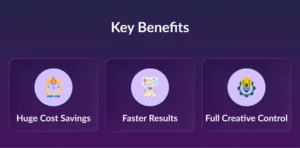
1. Huge Cost Savings
When you develop AI fashion model for product photography, you remove most of the major costs like studio rent, travel, and large production teams. AI tools allow you to create realistic images using just a product photo. This helps brands reduce expenses by up to 90% while still maintaining high quality.
2. Faster Results
AI tools can generate images in just a few minutes instead of taking days or weeks. This means brands can launch new products much faster and respond quickly to market trends. Faster production also helps businesses update their catalogs more frequently without delays.
3. Full Creative Control
With AI, you can fully control how your models look. You can select the model’s age, body type, skin tone, and pose based on your target audience. This makes it easy to create AI fashion model for product photography that perfectly matches your brand style and customer expectations.
For example, a brand uploads an image of a shirt. The AI tool places that shirt on different virtual models with different looks and poses. Within one hour, the brand can generate 50 high-quality images ready to use on their website or ads.
How Brands Optimize Workflows Using AI Models?
Running a fashion brand involves many moving parts and managing everything can be time-consuming. Traditional workflows often take weeks to complete because they depend on multiple people and steps. With AI, brands can simplify these processes and work much faster.
Traditional Workflow Challenges
Plan Shoot: Brands must first plan the entire photoshoot, including themes, outfits and schedules. This step requires coordination between teams and often takes several days to finalize everything.
Book Models: Finding the right models that match the brand image can be difficult and expensive. It also involves contracts, availability checks, and scheduling, which can slow down the process.
Shoot Photos: The actual photoshoot requires a studio, lighting setup, photographers, and stylists. Even a single shoot can take an entire day or more, depending on the number of products.
Edit Images: After the shoot, images need editing and retouching to meet quality standards. This step can take several more days, especially for large catalogs.
Upload to Website: Finally, the edited images are uploaded to the e-commerce platform. This includes organizing files, adding product details, and ensuring everything looks perfect online.
Faster Workflow with AI
When you create an intelligent AI model, the entire process becomes much simpler and faster.
Upload Product Image: You just upload a basic product photo, such as a shirt on a mannequin or plain background. This becomes the starting point for generating model images.
Select Model Style: You can choose the type of model you want, including age, body type, and overall look. This allows you to match your brand identity easily.
Generate Images: The AI tool automatically places the product on virtual models and creates multiple high-quality images in minutes. This removes the need for a physical photoshoot.
Publish Online: Once the images are ready, you can upload them directly to your website or ecommerce platform. The entire process can be completed in a few hours instead of weeks.
Why It Matters?
No Delays: AI removes the need to wait for scheduling, approvals, and post-production. Brands can create and publish images almost instantly.
No Coordination Problems: You don’t need to manage photographers, models, or studios. Everything happens in one system, reducing complexity and errors.
No High Costs: Since most of the manual work is removed, the overall cost drops significantly. This allows even small brands to create professional-quality images.
Real Impact
With AI, brands no need to wait for weeks to launch new products. They can go from product arrival to live listing in just one day. This speed helps businesses stay ahead of trends, respond quickly to demand, and gain a strong competitive advantage in the market.
Scaling Personalization with AI Fashion Models
Customers feel more confident when they see products on models who look like them. However, creating this level of variety with traditional photoshoots is very expensive and time-consuming. Brands would need to hire many different models and run multiple shoots, which is not practically possible.
How AI Solves the Personalization Problem
When you create AI fashion model, you can generate many versions of the same product image using different virtual models. This means you don’t need separate photoshoots for each audience type.
Different Body Types: AI allows you to display the same clothing item on slim, athletic, or plus-size models. This helps customers understand how the product might look on their own body, improving confidence in their purchase.
Different Skin Tones: You can easily create images featuring models with different skin tones. This helps brands connect with a wider and more diverse audience without additional production effort.
Different Age Groups: AI makes it possible to show products on young, middle-aged, or older models. This ensures that different customer groups can relate to your brand and feel included.
For Example, A clothing brand can take one dress and generate multiple images using AI. The same dress can be shown on a young model for a trendy audience, a plus-size model for body inclusivity, and a mature model for a more classic look. All of this is done using the same system without extra cost or time.
Why Personalization Matters
Customers Feel Connected: When shoppers see someone who looks like them, they feel a stronger emotional connection with the product. This makes the shopping experience more engaging.
They Trust the Product More: Seeing realistic and relatable images helps customers trust how the product will fit and look. This reduces confusion and doubt during the buying process.
They Are More Likely to Buy: Better connection and trust lead to higher chances of purchase. Customers feel more confident in their decisions, which improves conversion rates.
Role of AI in Personalization
This is why brands are using artificial intelligence models for fashion to deliver personalized experiences at scale. AI allows businesses to create many variations of product images quickly and efficiently.
Business Benefits
Better personalization leads to strong business results:
Higher Sales: When customers connect with the product, they are more likely to make a purchase, increasing overall revenue.
Fewer Returns: Clear and realistic images help customers understand the product better, which reduces the chances of returns.
Happy Customers: A personalized shopping experience makes customers feel valued, leading to higher satisfaction and brand loyalty.
Integrating AI Models into Your E-commerce Workflow
Most brands already have product images, such as photos taken on mannequins or plain backgrounds. You can use these existing images to create an AI fashion model for e-commerce. This means you don’t have to start from scratch or invest in new photoshoots.
3 simple steps to proceed:
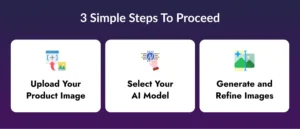
1. Upload Your Product Image
The first step is to upload a clear and high-quality image of your product. This image acts as the base for the AI system. It can be a mannequin shot, a hanger image, or flat lay photo. If your image is clean, well-lit, and high resolution, the AI will produce better and more realistic results.
2. Select Your AI Model
After uploading the image, you need to choose a virtual model that fits your brand. You can select features like age, body type, skin tone, and overall style. This helps you create AI fashion model that matches your target audience and brand identity. For example, a youth brand may choose trendy models, while a luxury brand may choose elegant styles.
3. Generate and Refine Images
Once you select the model, the AI will automatically place your product on the model and generate images within seconds. You can then refine these images by changing poses, adjusting facial expressions, or selecting different backgrounds. This helps you create images that look professional and align with your brand style.
Best Practices for Better Results
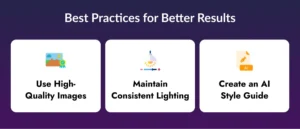
Use High-Quality Images
Always start with high-resolution product photos. AI works best when the input image is clear and detailed. When you develop AI fashion model for product photography, better input leads to more accurate and realistic output.
Maintain Consistent Lighting
Lighting plays a very important role in image quality. Make sure your product photos have even and natural lighting. This helps the AI understand shadows and textures properly, resulting in clean and realistic images.
Create an AI Style Guide
Just like traditional photoshoots follow a brand style, AI images should also follow clear guidelines. Decide your preferred model types, poses, colors, and backgrounds. This ensures that all images look consistent and professional across your website.
Why Integration Matters
Integrating AI into your workflow helps you save both time and effort. Instead of managing multiple people and steps, you can create images quickly using one system. This allows you to update your product listings faster and stay ahead in the market. Because of these benefits, many brands are investing in AI in e-commerce.
Getting Started with AI Models: A Practical Action Plan
Starting with AI may seems difficult, but it is actually simple when you take small steps. The smart way is to test AI, learn how it works, and then slowly expand. When you build AI fashion model, your focus should be on solving one problem at a time, not changing everything at once.
Step 1: Audit Your Current Costs
Before using AI, you need to understand how much you are spending right now. Calculate the total cost of your recent photoshoots, including model fees, studio rent, photographers, editing, and other expenses. This gives you a clear picture of your current budget. When you compare this with AI costs, you will see how much you can save by choosing to build AI fashion model for ecommerce.
Step 2: Start with a Small Test
Instead of applying AI to your entire product catalog, start with a small test. Choose one category, such as t-shirts or dresses, and use AI to generate images for those products. This helps you understand how the system works and measure its impact without taking big risks. It is a safe and smart way to begin your AI journey.
Step 3: Choose the Right Tool or Partner
Selecting the right platform is very important for success. You can either use an AI tool or work with an artificial intelligence development company that understands your business needs. They can help you develop AI fashion model that matches your brand style and ensures good results. A good partner also helps with setup, training, and support.
Step 4: Create a Simple Style Guide
Consistency is very important in e-commerce. You should define how your images should look before scaling AI. Decide on model types, poses, lighting, and backgrounds that match your brand. This guide helps you keep all images uniform and professional. It also makes it easier to create AI fashion model that aligns with your brand identity.
Step 5: Scale Gradually
Once your test is successful, you can slowly expand AI to more products and categories. You can also add features like personalization and automation to improve your workflow. Over time, you can fully create AI fashion Model for e-commerce for your entire catalog. This step-by-step growth helps in better results and long-term success.
What Fashion Brands Actually Need from an AI Model Generator?
Many AI tools can create attractive images, but fashion brands need much more than just good visuals. They need consistency, accuracy, and full support for their entire product catalog. A strong AI fashion model generator should help brands create images that look professional, match their brand identity, and truly represent their products.
1. Catalog-Scale Consistency
Fashion brands do not upload just one or two images, they manage hundreds or even thousands of products. All these images must look like they came from the same photoshoot. If lighting, backgrounds, or model styles keep changing, the website looks messy and unprofessional.
A good AI tool helps you create an intelligent AI model that keeps everything consistent across all images. This builds a strong brand identity and gives customers a smooth shopping experience.
2. Garment Accuracy and Real Look
Customers rely heavily on product images when shopping online. They expect the images to show the real color, fabric, and fit of the clothing. If the AI changes the product too much to make it look “better,” it can create confusion and disappointment.
A reliable system helps when you create AI fashion model, the clothing looks exactly like the real product. This helps customers trust your brand and reduces the chances of product returns.
3. Full Workflow Support
Fashion brands need more than just one type of image. They require different visuals for different purposes, such as product listings, lifestyle images, campaign creatives, multiple angles, and color variations. Managing all these through separate tools can be difficult and expensive.
A powerful solution should support the entire workflow in one place. This allows brands to fully develop AI fashion model for product photography and reduce their dependency on traditional photoshoots.
Why AI-Powered Fashion Product Photography Matters?
AI-powered fashion photography is not only about reducing costs. It helps brands grow faster, improve customer experience, and stay competitive in the e-commerce market. By using AI, businesses can create better images, launch products faster, and connect with customers more effectively.
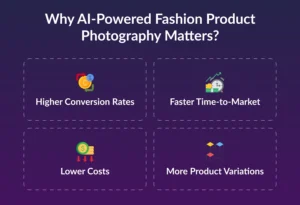
1. Higher Conversion Rates
AI-generated images are more engaging and realistic compared to simple product photos. When customers see clothing on models, they can better understand how it will look in real life. This improves their confidence and increases the chances of making a purchase.
As a result, brands that use artificial intelligence models for fashion often see higher conversion rates and better sales performance.
2. Faster Time-to-Market
Speed is very important in fashion, especially with changing trends. Traditional photoshoots can take weeks to complete, which delays product launches.
With an AI fashion model for clothing, brands can create images in minutes and publish products quickly. This allows them to stay ahead of trends and respond faster to customer demand.
3. Lower Costs
One of the biggest advantages of AI is cost reduction. Brands can save up to 90% on photography expenses by removing the need for studios, models, and large teams.
This makes it easier for small and medium businesses to compete with bigger brands by choosing to build AI fashion model systems.
4. More Product Variations
AI makes it easy to create multiple versions of the same product image. Brands can test different models, backgrounds, and styles to see what works best.
This helps in personalization and marketing. When you create AI fashion model for e-commerce, you can run better campaigns, improve customer targeting, and increase overall performance.
Partner with Developer Bazaar Technologies for AI Fashion Model Development
Building an AI solution for fashion requires the right skills and practical experience. Partnering with Developer Bazaar Technologies can help you create a solution that fits your business goals and works smoothly with your ecommerce setup.
Their team focuses on building high-quality AI systems for product photography. They help you generate consistent, realistic images, customize virtual models, and ensure everything matches your brand style. This means your product images will look professional and uniform across your entire catalog.
Working with an experienced artificial intelligence development company also saves time and reduces technical challenges. Instead of handling everything on your own, you get expert support from planning to final deployment. They also offer e-commerce app development services, such as integrating AI tools into your online store so your workflow stays simple and efficient.
If you want to scale your product photography and improve your ecommerce visuals, choosing the right partner can make the entire process faster, easier, and more reliable.
Final Thoughts
AI is transforming the way fashion brands create product images. What once required large budgets, teams, and time can now be done quickly using smart tools. With an AI fashion model generator, brands can save money, speed up workflows, and create more personalized experiences for customers.
Whether you want to create an AI fashion model, improve your product visuals, or scale your e-commerce business, AI offers a powerful solution. The key is to start small, choose the right tools, and grow step by step.
Businesses that adopt AI in Ecommerce early will have a strong advantage. They will be able to launch faster, connect better with customers, and stay ahead in a competitive market.
FAQs
1. What is an AI Fashion Model Generator?
An AI fashion model generator is a tool that uses artificial intelligence to place clothing on virtual models. It helps brands create realistic product images without traditional photoshoots.
2. How can I build AI fashion model for my e-commerce business?
You can start by choosing the right platform or working with an artificial intelligence development company. They can help you design, develop, and integrate the solution into your e-commerce system.
3. Is AI fashion photography better than traditional photoshoots?
AI photography is faster, cheaper, and more flexible. While traditional shoots are still useful for campaigns, AI is ideal for everyday product images and scaling your catalog.
4. Can I create AI fashion Model for e-commerce without technical skills?
Yes, many tools are user-friendly and do not require coding. You can also use E-commerce app development services to handle the technical setup for you.
5. How accurate are AI-generated fashion images?
Modern artificial intelligence models for fashion are very advanced. They can create highly realistic images that closely match the actual product when high-quality inputs are used.
6. Why should I develop an AI fashion Model for Product Photography?
It helps you reduce costs, improve speed, and create more image variations. This leads to better customer experience and higher sales.