

Designing a mobile app is one of the most important investments in the app development process. A well-designed app improves user engagement, increases retention, strengthens brand identity, and directly impacts business growth.
In 2026, the cost to design a mobile app usually ranges between $3,000 to $30,000 or more, depending on the app complexity, number of screens, platform, custom UI/UX requirements, animations, and development goals.
With billions of mobile users worldwide and increasing competition in every industry, businesses are now focusing heavily on intuitive, fast, and visually engaging mobile app experiences.
In this guide, we’ll break down everything you need to know about mobile app design costs, including pricing by app type, hidden costs, timelines, AI-powered design trends, and ways to reduce expenses.
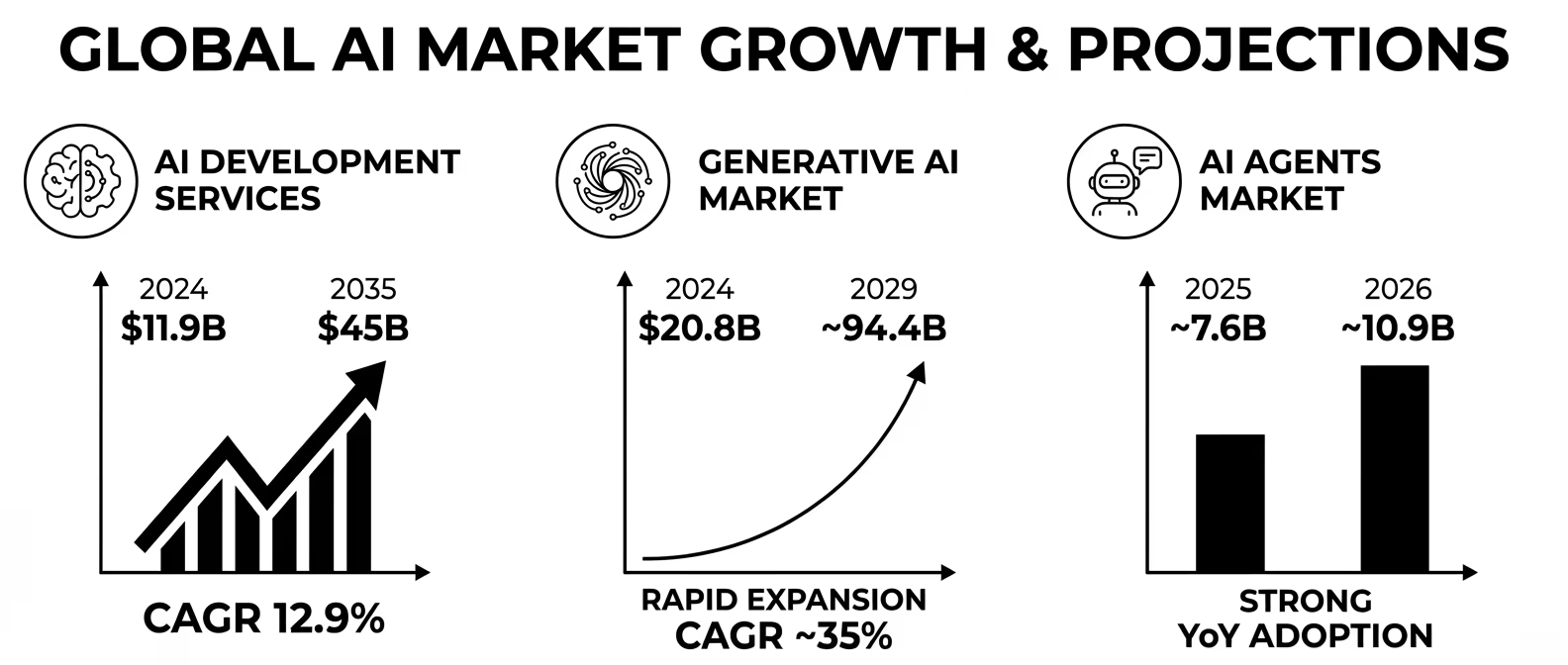
The global mobile application market is projected to grow from USD 330.02 billion in 2026 to USD 1,017.18 billion by 2034, expanding at a CAGR of 15.1% during the forecast period. This rapid growth highlights the increasing demand for mobile applications across industries worldwide.
The growing use of smartphones, tablets, and digital platforms is encouraging businesses to invest more in mobile app design and development. As user expectations continue to rise, businesses now focus heavily on creating fast, responsive, and user-friendly mobile experiences. Poor app performance and slow loading speeds can negatively impact customer engagement and buying decisions, making high-quality app design more important than ever.
In this blog post, we’ll look at what goes into the cost of designing a mobile app and share some tips on how to keep those costs down. But first, let’s talk about the factors that influence mobile app design costs.
Factors Influencing App Design Costs
The cost of designing an app depends on several important things. Knowing what these are can help you figure out how much money you’ll need to spend on designing your app. Let’s break down all the factors that influence the cost of designing a mobile app’s user interface in simple terms.
1. Complexity of the App:
The complexity of your app is one of the biggest factors that affects app design cost. Apps with more features, screens, and integrations require more time and design effort. Based on complexity, apps are usually divided into three categories: simple apps, moderately complex apps, and highly complex apps.
Simple Apps
Simple apps have basic features, fewer screens, and a clean design. These apps are easy to use and usually do not require backend integration or advanced functionality.
Examples of Simple Apps:
- Calculator apps
- To-do list apps
- Basic information or brochure apps
Design Requirements for Simple Apps
- Simple and clean UI/UX design
- Limited features and screens
- Standard design components
- No complex backend or database integration
Cost Estimate for Simple Apps:
| Design Stage | Estimated Hours | Hourly Rate (USD) | Total Cost (USD) |
|---|---|---|---|
| Research and Discovery | 10-20 | 50-150 | 500-3,000 |
| Wireframing | 20-30 | 40-100 | 800-3,000 |
| Prototyping | 20-40 | 50-150 | 1,000-6,000 |
| UI Design | 40-60 | 50-150 | 2,000-9,000 |
| UX Design | 30-50 | 50-150 | 1,500-7,500 |
| Testing and Iteration | 20-40 | 40-100 | 800-4,000 |
| Total | 140-240 | 6,600-32,500 |
Also Read: How Much Does It Cost to Create an App in Ukraine?
Moderately Complex Apps
Moderately complex apps include more features, screens, and interactive elements than simple apps. These apps often connect with backend systems to manage user data and provide a better user experience.
Examples of Moderately Complex Apps:
- Fitness tracking apps
- E-commerce apps
- Social networking apps
Design Requirements for Moderately Complex Apps
- User login and data storage
- Custom UI/UX design elements
- Social media integration
- Backend connectivity and API integration
- More screens and interactive features
Cost Estimate for Moderately Complex Apps:
| Design Stage | Estimated Hours | Hourly Rate (USD) | Total Cost (USD) |
|---|---|---|---|
| Research and Discovery | 20-40 | 50-150 | 1,000-6,000 |
| Wireframing | 40-60 | 40-100 | 1,600-6,000 |
| Prototyping | 40-80 | 50-150 | 2,000-12,000 |
| UI Design | 60-120 | 50-150 | 3,000-18,000 |
| UX Design | 50-100 | 50-150 | 2,500-15,000 |
| Testing and Iteration | 40-60 | 40-100 | 1,600-6,000 |
| Total | 250-460 | 11,700-63,000 |
Also Read: How Much Does Pinterest Like App Development Cost?
Highly Complex Apps
Highly complex apps include advanced features, custom UI elements, and strong backend systems. These apps are designed to handle large amounts of data, real-time activities, and complex user interactions.
Examples of Highly Complex Apps
- Advanced eCommerce platforms
- Social media apps
- On-demand service apps like Uber or Airbnb
Design Requirements for Highly Complex Apps
- Real-time features and tracking
- Advanced UI/UX customization
- AI, machine learning, or smart features
- Complex backend and database integration
- Secure payment and user management systems
- Advanced animations and interactive elements
Cost Estimate for Highly Complex Apps:
| Design Stage | Estimated Hours | Hourly Rate (USD) | Total Cost (USD) |
|---|---|---|---|
| Research and Discovery | 40-80 | 50-150 | 2,000-12,000 |
| Wireframing | 60-100 | 40-100 | 2,400-10,000 |
| Prototyping | 80-120 | 50-150 | 4,000-18,000 |
| UI Design | 120-200 | 50-150 | 6,000-30,000 |
| UX Design | 100-160 | 50-150 | 5,000-24,000 |
| Testing and Iteration | 60-100 | 40-100 | 2,400-10,000 |
| Total | 460-760 | 21,800-104,000 |
Also Read: How Much Does It Cost to Create an App in Australia?
2. Platform:
The platform you choose for your app, iOS, Android, or both, can significantly affect the overall design cost. Android app design usually requires more time because designers must optimize the app for different screen sizes, devices, and operating system versions. In comparison, iOS has a more controlled ecosystem and stricter design guidelines, which often makes the design process more streamlined.
Designing apps for larger devices like iPads or tablets can also increase costs because designers need to create additional layouts, high-resolution graphics, and responsive UI elements for bigger screens.
| Platform | Approximate cost, $/hr |
|---|---|
| iOS | 600 – 1000 |
| Android | 650 – 1200 |
Also Read: How Much Does It Cost to Create an App in Canada?
3. Team location:
The location of your app design team plays a major role in determining project costs. Designers from countries like the US and Australia generally charge higher hourly rates due to higher living costs and market demand. On the other hand, teams from Europe or Asia may offer more affordable pricing while still delivering quality work.
Apart from pricing, team location can also impact communication, time zone coordination, and project management. Businesses often compare cost, experience, and work quality before selecting an offshore or local app design team.
| Location of the team | Approximate cost, $/hr |
|---|---|
| US | 100 – 170 |
| Australia | 100 – 150 |
| Europe | 50 – 100 |
| UK | 50 – 100 |
Also Read: How Much Does It Cost to Create an App in Vietnam?
4. Team type:
The cost of designing an app can vary a lot depending on the type of team you choose. Businesses can choose between an in-house app development team, freelancers, or outsourced app design agencies depending on their project requirements and budget.
An in-house team offers better collaboration and direct communication, but it usually comes with higher costs such as salaries, infrastructure, and employee benefits. Freelancers are a more affordable option for smaller projects or specific design tasks, although managing multiple freelancers can sometimes be challenging.
Outsourced agencies provide a balanced solution by offering experienced designers, structured workflows, and complete app design services at a relatively lower cost compared to maintaining a full in-house team.
| Team type | Approximate cost, $/hr |
|---|---|
| In-house | 35,000 |
| Outsourced | 12,000 |
| Freelancer | 6,000 |
Also Read: How Much Does It Cost to Create an App in Manila, Philippines?
5. Visual designs:
The visual quality of an app directly affects design costs. Elements like color schemes, typography, UI mockups, and branding require additional design effort.
Using simple and consistent design systems can reduce costs while improving user experience. Businesses usually prefer 2–3 primary colors to maintain a clean and professional design.
Also Read: How Much Does It Cost to Develop an App in India?
6. Illustrations and animations:
Except for photos, all graphic elements are included in animations and illustrations. Icons, logos, vectors, GIFs, and other graphic formats are included in this category. Custom icons, animations, vectors, and interactive graphics can improve user engagement but also increase app design costs.
Animations help create a modern and interactive user experience, but excessive animations may impact app performance. Using animations strategically helps balance usability and cost.
Also Read: How Much Does It Cost to Create an App in Cairo, Egypt?
7. Functionality:
The number and complexity of app features significantly influence design costs. Advanced functionalities like social media integration, in-app purchases, real-time tracking, and AI features require more design and testing effort.
The app design process also includes:
- Idea planning
- Wireframing
- Prototyping
- UI/UX design
- Testing and optimization
Careful planning and focusing on essential features first can help businesses manage app design costs effectively.
In summary, while features and complexity significantly affect the cost of app design, the design process itself, from brainstorming to testing, also plays a big role in the final expenses. Careful planning and prioritizing essential features, along with investing in quality design and testing, can help manage costs effectively.
Also Read: AI in Banking – How Artificial Intelligence is Used in Banks?
How Does the App Design Process Impact Costing?
The app design process directly affects the total cost of the project. A well-planned design process helps reduce errors, improve user experience, and save development time. The three main stages are discovery, design, and development.
1. Discovery phase
The discovery phase focuses on understanding the app idea, target users, business goals, and market opportunities. This stage helps create a strong foundation before moving into design and development.
Market Research
Market research helps businesses understand their target audience, industry trends, and customer expectations. It also helps identify competitors and market gaps, making it easier to build an app that stands out and solves real user problems.
User Persona
User personas are fictional profiles that represent the ideal users of the app. They help designers understand user behavior, goals, challenges, and preferences so the app experience can be designed around actual user needs.
User Journey Mapping
User journey mapping shows how users interact with the app from start to finish. It helps businesses identify user pain points, improve navigation, and create a smoother and more user-friendly experience across the app.
Competitor Analysis
Competitor analysis involves studying similar apps in the market to understand their strengths and weaknesses. This process helps businesses discover useful features, avoid common mistakes, and create a better user experience than competitors.
Also Read: How Much Does It Cost to Create an App in China?
2. Design phase
The design phase focuses on creating the app’s structure, layout, and visual experience. This stage ensures the app is easy to use, visually attractive, and aligned with business goals.
Sketches
Sketches are rough visual drafts of the app screens and layout ideas. They help teams quickly brainstorm app structure, screen flow, and navigation before investing time in detailed designs.
Wireframes
Wireframes are basic blueprints that show the placement of buttons, menus, images, and content on each screen. They help designers and developers clearly understand the app structure and user flow before moving to final UI design.
Prototypes
Prototypes are interactive versions of the app that simulate how users will navigate and interact with it. They help businesses test ideas early, gather feedback, and make improvements before development starts.
User Testing
User testing involves observing how real users interact with the app design. This process helps identify usability problems, confusing navigation, or design issues early, reducing expensive changes during development.
Also Read: Cost to Develop an Android Taxi App
3. Development phase
The development phase transforms the app design into a fully functional application. This stage includes coding, testing, optimization, and launching the app.
Coding
Coding is the process of converting the app design into working software. Developers build app features, connect databases, integrate APIs, and ensure the app works smoothly across different devices and platforms.
Testing
Testing helps identify bugs, performance issues, loading problems, and usability errors before launch. Proper testing improves app quality, enhances security, and ensures users get a smooth and reliable experience.
Launch
The launch phase is when the app is released to users through app stores or enterprise platforms. A well-planned launch helps ensure better app performance, faster adoption, and fewer technical issues after release.
Also Read : Cost to Make an App Like Tinder
The Final Cost to Design an App
The average cost of app design is between $3,000 and $30,000, depending on a number of factors including the app’s feature set, complexity, and compatibility with different devices. However, there are a number of ways to reduce the price of UI design for mobile apps. Looking into mobile-responsive designs for eCommerce apps and websites can also promote creativity and improve customer service. By making websites and apps easily adjust to different screen sizes and devices, responsive design maximises accessibility and user experience. Businesses can effectively cut development costs and provide their customers with an engaging digital experience by using these design principles.
You can guarantee that your app is successful and control your expenses by following to the guidance provided below.
How to Reduce Mobile App Design Costs
Designing a mobile app can be expensive, but with the right strategy, businesses can control costs without compromising quality. Proper planning, smart feature selection, and choosing the right development approach can significantly reduce overall app design expenses.
1. Plan Your App Carefully
Proper planning helps avoid unnecessary revisions and delays during the design process. Before starting, clearly define your app goals, target audience, required features, and business objectives. A well-structured plan helps designers and developers work more efficiently and reduces unexpected costs later.
2. Focus on Core Features First
Start by designing only the most important features your users actually need. Avoid adding too many advanced functionalities in the beginning, as they can increase design complexity and cost. Building a simple MVP first helps businesses launch faster and improve the app later based on user feedback.
3. Hire an Experienced App Design Company
Working with a professional mobile app design company can help reduce long-term costs. Experienced UI/UX teams follow proven design processes, avoid common mistakes, and deliver better user experiences faster. Their expertise also helps improve design quality while keeping the project within budget.
4. Design for Multiple Devices
Your app should work smoothly across smartphones, tablets, and different screen sizes. Designing with responsive layouts from the beginning helps avoid expensive redesigns later. Multi-device compatibility also improves user experience and increases app accessibility across platforms.
5. Build a Future-Ready App Design
Future-ready app design helps your application adapt to new technologies, devices, and operating system updates. Using scalable design systems and flexible UI components reduces the need for frequent redesigns. This approach saves maintenance costs and keeps your app competitive for the long term.
How to Choose the Right App Design Partner
Choosing the right app design partner is important for the success of your mobile application. A skilled and experienced team can help you create a user-friendly, visually appealing, and high-performing app while staying within budget.
1. Check the Company Portfolio
Reviewing a company’s portfolio helps you understand their design quality, creativity, and industry experience. It shows the types of apps they have built, their design style, and how they solve user experience challenges. A strong portfolio also helps you see whether their work matches your business goals and app vision.
2. Read Client Reviews and Testimonials
Client testimonials and reviews give insights into the company’s professionalism, communication, and project management process. Positive feedback from previous clients can help you understand how reliable and experienced the company is in delivering successful app design projects.
3. Review Case Studies
Case studies show real examples of how the company handled different projects and solved business challenges. They help you understand the team’s problem-solving approach, technical expertise, and ability to create customized app solutions for different industries.
4. Schedule a Consultation
Speaking directly with the design company helps you discuss your app requirements, budget, timeline, and expectations. A consultation also helps you evaluate their communication style, transparency, and understanding of your business goals before starting the project.
5. Evaluate Industry Experience
Choosing a company with experience in your industry can be highly beneficial. Industry-specific knowledge helps the team understand user behavior, market trends, and essential features required for your app, resulting in a better and more efficient design process.
Wrapping Up
The cost of design an app can change a lot and depends on many things like how complex the app is, what features you want, and how quickly you need it done. Since every project is different, there isn’t a one-size-fits-all way to figure out the exact cost. To get an idea of how much your app design might cost, you should think about these things carefully. Our team is ready to give you personalized advice and estimates that fit your project’s needs. Feel free to contact us if you need more help figuring out your app’s design budget. We’re here to help you through every part of the process!
FAQs
1. How much does it cost to design an app MVP?
The cost to design an MVP (Minimum Viable Product) app usually ranges between $2,000 and $15,000, depending on the number of screens, features, user flows, and design complexity. MVP app design focuses only on core functionalities to reduce overall costs and speed up product launch.
2. What is the average UI/UX design cost for a mobile app?
On average, mobile app UI/UX design costs between $3,000 and $25,000. Simple apps with basic interfaces cost less, while complex apps with custom animations, advanced user experiences, and multiple user flows require a larger budget.
3. Why is app design expensive?
App design involves much more than creating visuals. It includes user research, wireframing, prototyping, UX strategy, UI design, testing, revisions, and developer handoff. Complex features, custom graphics, animations, and multi-device compatibility can also increase the overall design cost.
4. How much do startups spend on app design?
Most startups spend between $5,000 and $20,000 on app design, depending on the product goals and complexity. Many startups begin with an MVP design approach to validate their idea before investing in a fully featured application.
5. Can AI reduce app design costs?
Yes, AI-powered design tools can help reduce app design costs by speeding up wireframing, prototyping, UI generation, and user experience testing. AI can automate repetitive tasks and help designers create faster and more personalized user interfaces.
6. Should I hire freelancers or an app design agency?
Freelancers are usually more affordable and work well for small or simple projects. However, app design agencies provide complete UI/UX services, project management, quality assurance, and scalable support, making them a better choice for complex or business-critical applications.
7. How long does app UI/UX design take?
The timeline for app UI/UX design depends on the app’s complexity. A simple app may take 2 – 4 weeks, while medium to complex apps can take anywhere from 2 – 6 months, including research, wireframing, prototyping, testing, and final UI design.
8. Is UI/UX design important for app success?
Yes, UI/UX design plays a major role in app success. A well-designed app improves user engagement, increases retention, enhances customer satisfaction, and helps businesses achieve higher conversions and revenue.